Why Your Siding Turns Green: 5 Causes & Solutions
Siding turns green in Tennessee primarily due to green algae, mold, and mildew growth fueled by the state’s high humidity and shaded environments. These organisms thrive on vinyl and aluminum surfaces where moisture accumulates, eventually creating unsightly stains that require specialized cleaning methods like soft washing to remove safely.
Why is my house siding turning green?
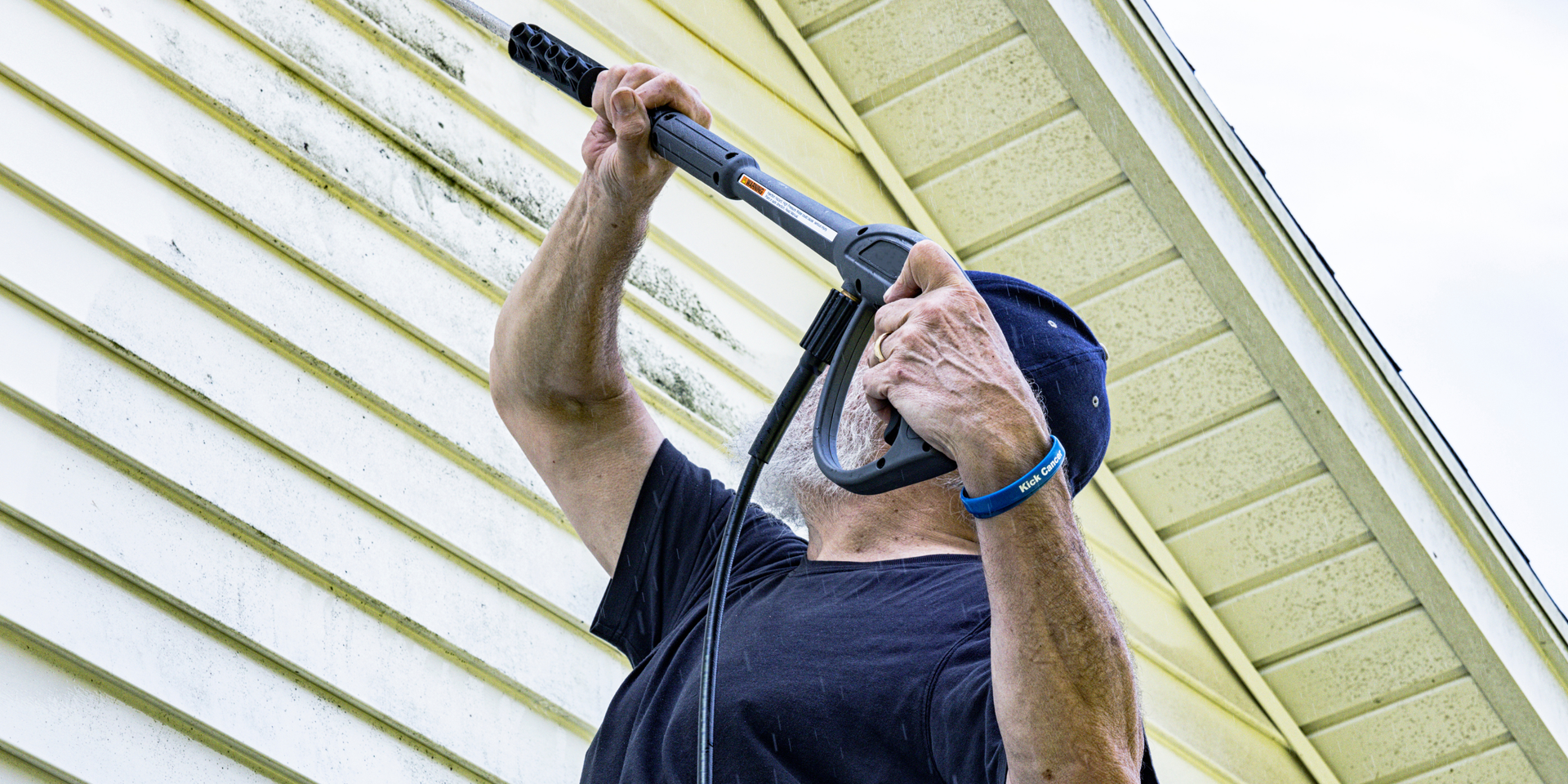
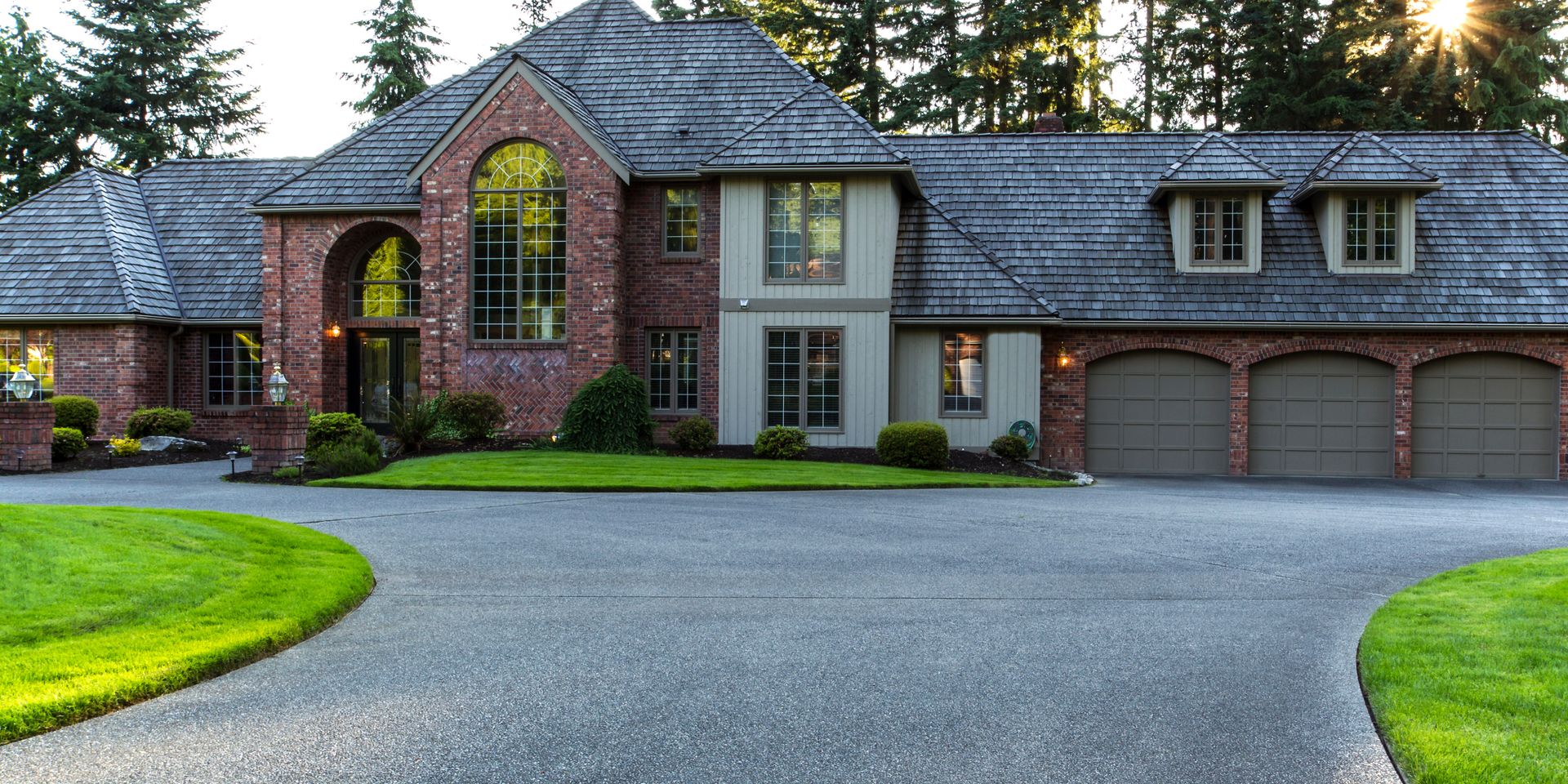
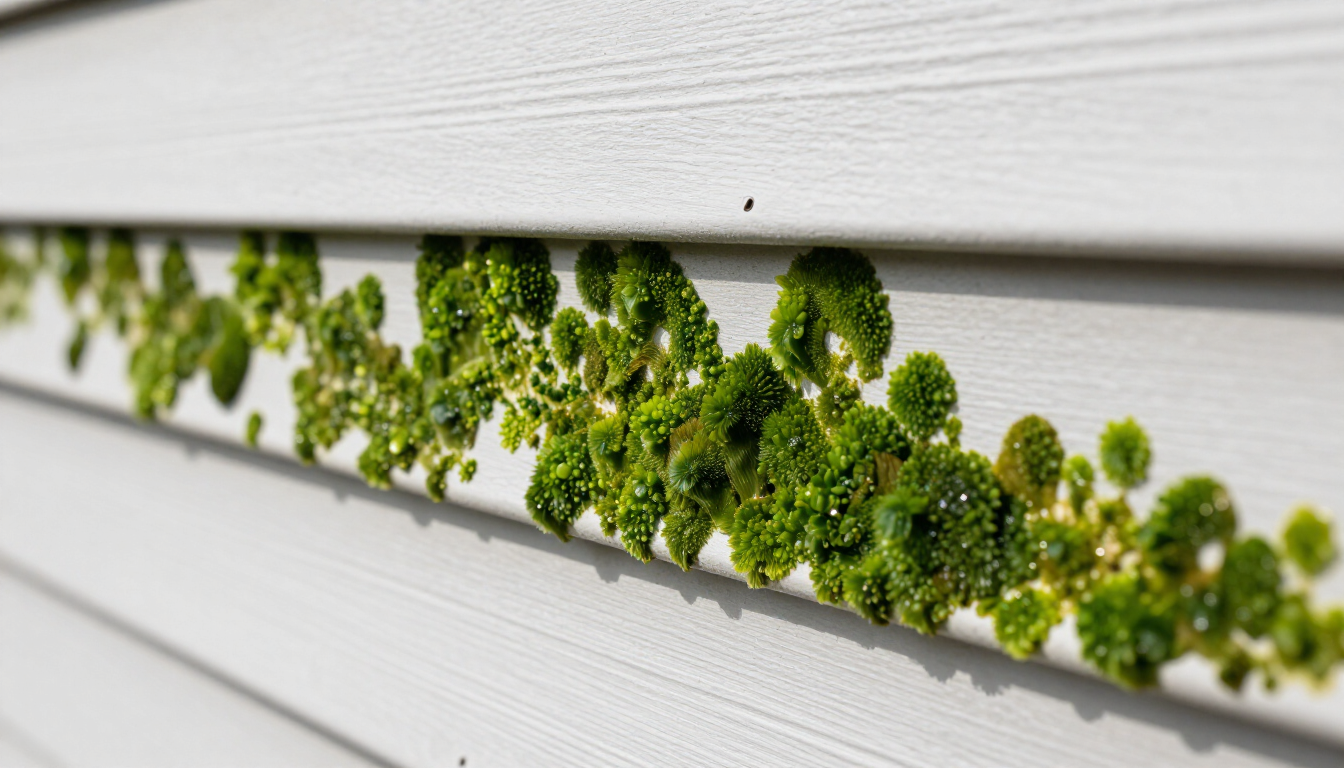
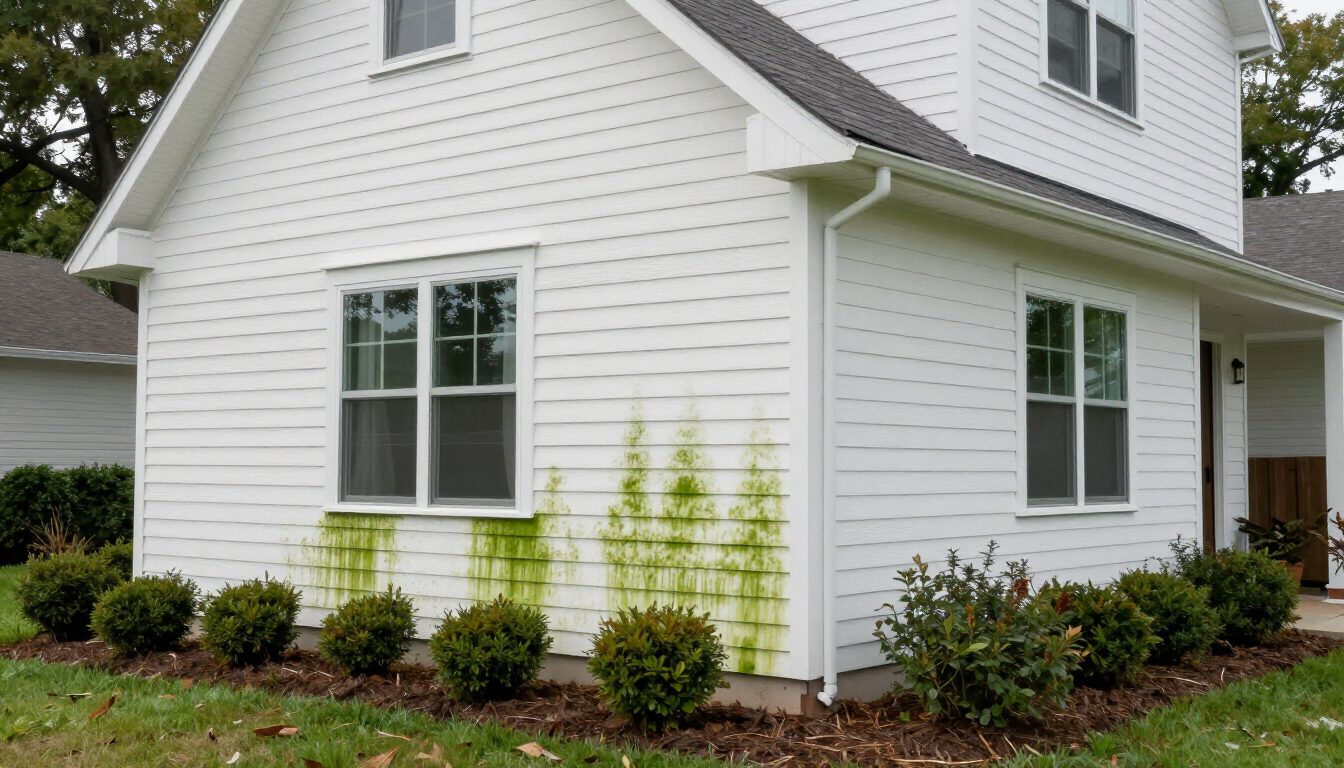
If you live in Spring Hill, Thompson’s Station, or Franklin, you have likely looked at the north side of your home and noticed a fuzzy, lime-green hue spreading across your vinyl siding. This is a common phenomenon for Tennessee homeowners, but it is rarely a sign of neglect. Instead, it is a natural biological response to our local environment. The green substance is almost always a form of algae, specifically aerophilic algae , which feeds on the dust and organic particles that settle on your siding. Unlike plants that require soil, these organisms only need moisture, light, and a surface to cling to.
Vinyl and aluminum siding are particularly susceptible because they provide a non-porous surface where condensation often sits. In our region, the fluctuating temperatures between cool nights and warm mornings create the perfect environment for dew to form on exterior walls. This moisture, combined with the microscopic nutrients found in the air, allows algae spores to colonize and spread rapidly. While the growth usually starts as a small, faint patch, it can quickly envelop entire sections of a home if left unaddressed. Understanding siding cleaning is the first step toward restoring your home's appearance. Many homeowners feel a sense of frustration seeing their property value affected by something as simple as a biological growth, but it is important to remember that this is a manageable issue when handled with the right techniques and professional insight.
The Science of Tennessee Humidity and Algae
Tennessee’s climate is the primary catalyst for why your siding turns green. Our state is known for its high humidity levels, especially during the spring and summer months when Williamson and Maury Counties experience significant rainfall and damp air. Algae and mold spores are constantly floating in the atmosphere, looking for a damp, shaded spot to land. Because the sun rarely hits the north-facing side of a house with direct intensity, those walls remain damp much longer than the southern or western sides. This lack of evaporation is why you will see a stark line where the green growth stops—usually right at the corner where the sun begins to dry the siding more effectively.
Furthermore, the dense tree canopy found in many residential neighborhoods in Columbia and Brentwood contributes to the problem. Overhanging branches provide additional shade and drop organic debris like pollen and sap onto the siding, providing a literal buffet for algae and mildew. The presence of these trees also restricts airflow around the home, preventing the siding from drying out after a heavy Tennessee thunderstorm. This cycle of wetting and slow drying creates a permanent nursery for organic growth. When you consider the local ecosystem, it becomes clear that green siding isn't just a cleaning issue; it is a geographic one. The humidity levels in our region rarely drop low enough to naturally kill off these spores, meaning that once they take hold, they will continue to multiply until they are physically and chemically removed through professional exterior cleaning .
Is the green stuff on my house mold or algae?
Distinguishing between mold, mildew, and algae is a common concern for homeowners. While they all contribute to the green or black staining on your home, they are biologically different. Green algae is the most common culprit for the vibrant lime-colored stains. It is generally harmless to the structure of the vinyl itself but acts as a "sticky" foundation that traps other pollutants. Mildew, on the other hand, typically appears as flat, powdery patches that can be gray, white, or green. Mold is often darker—black or deep green—and can pose more significant health risks if it migrates toward the interior of the home or near HVAC air intakes.
Identifying the specific growth is crucial because it dictates the type of treatment needed. While algae might come off with simple agitation, mold and mildew require specific fungicides to ensure the spores are actually killed rather than just moved around. If you simply spray the siding with water, you might remove the visible green color, but the microscopic roots often remain in the pores of the siding. This is why many DIY cleaning attempts result in the green stains returning just a few months later. A professional approach involves a customized chemical blend that targets these specific organisms. At Proven Pressure Washing, we analyze the level of growth to ensure we are using the most effective solution for siding cleaning that keeps your home cleaner for a significantly longer period than a standard garden hose rinse could ever achieve.
Why you should avoid high-pressure washing on siding
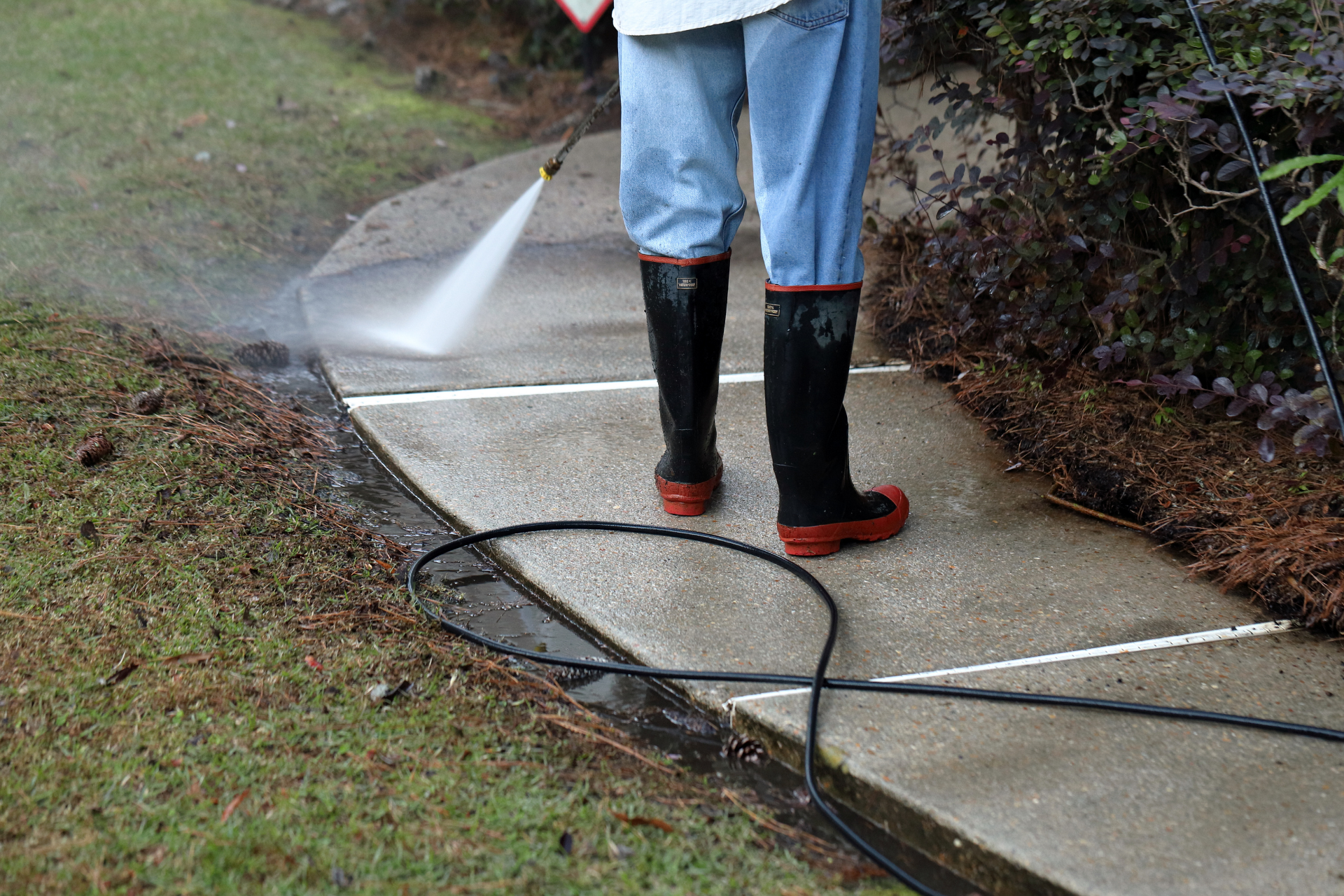
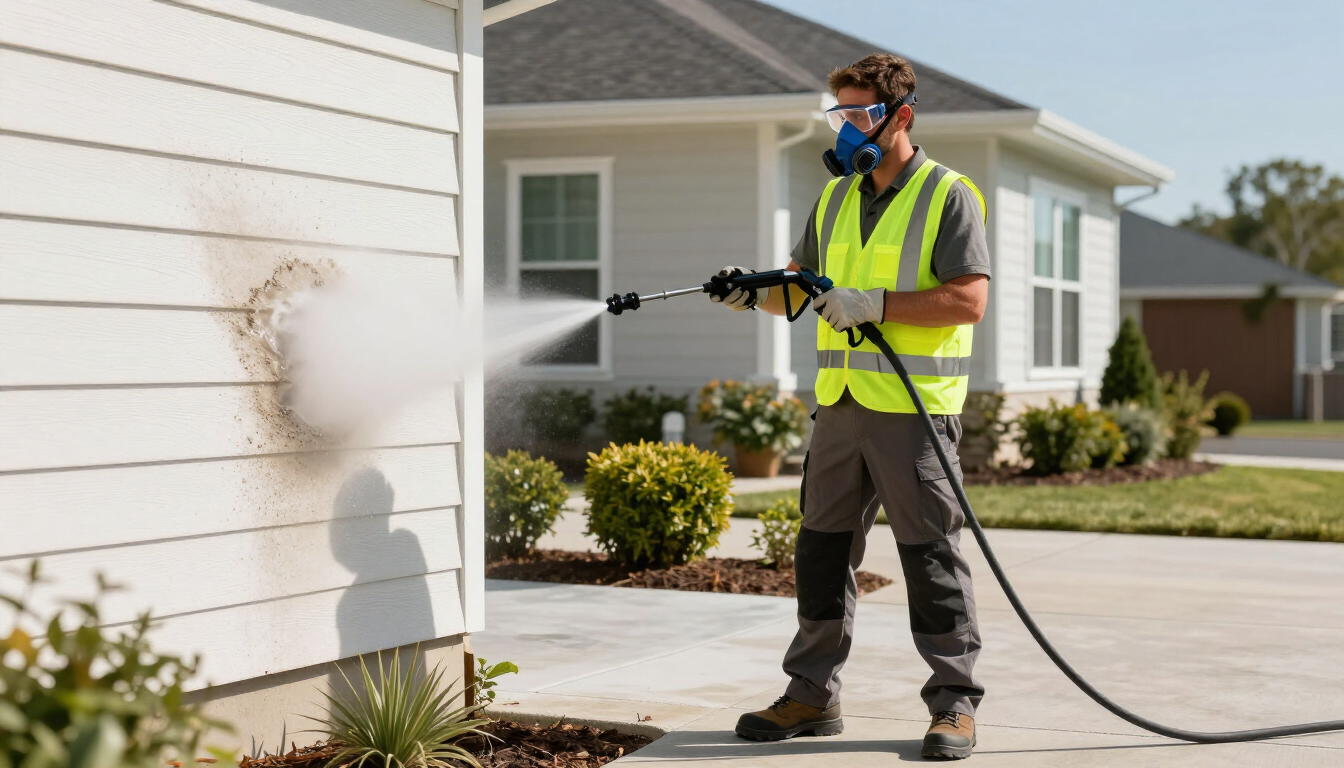
One of the biggest mistakes a homeowner can make is grabbing a high-pressure rental unit and blasting the siding at close range. While it is tempting to use raw power to strip away the green film, vinyl and aluminum siding are not designed to withstand thousands of pounds per square inch (PSI) of water pressure. High pressure can lead to several types of property damage that are far more expensive to fix than a simple cleaning. First, the force of the water can easily crack or chip older vinyl panels that have become brittle due to UV exposure. Second, and perhaps most importantly, high pressure can force water behind the siding panels.
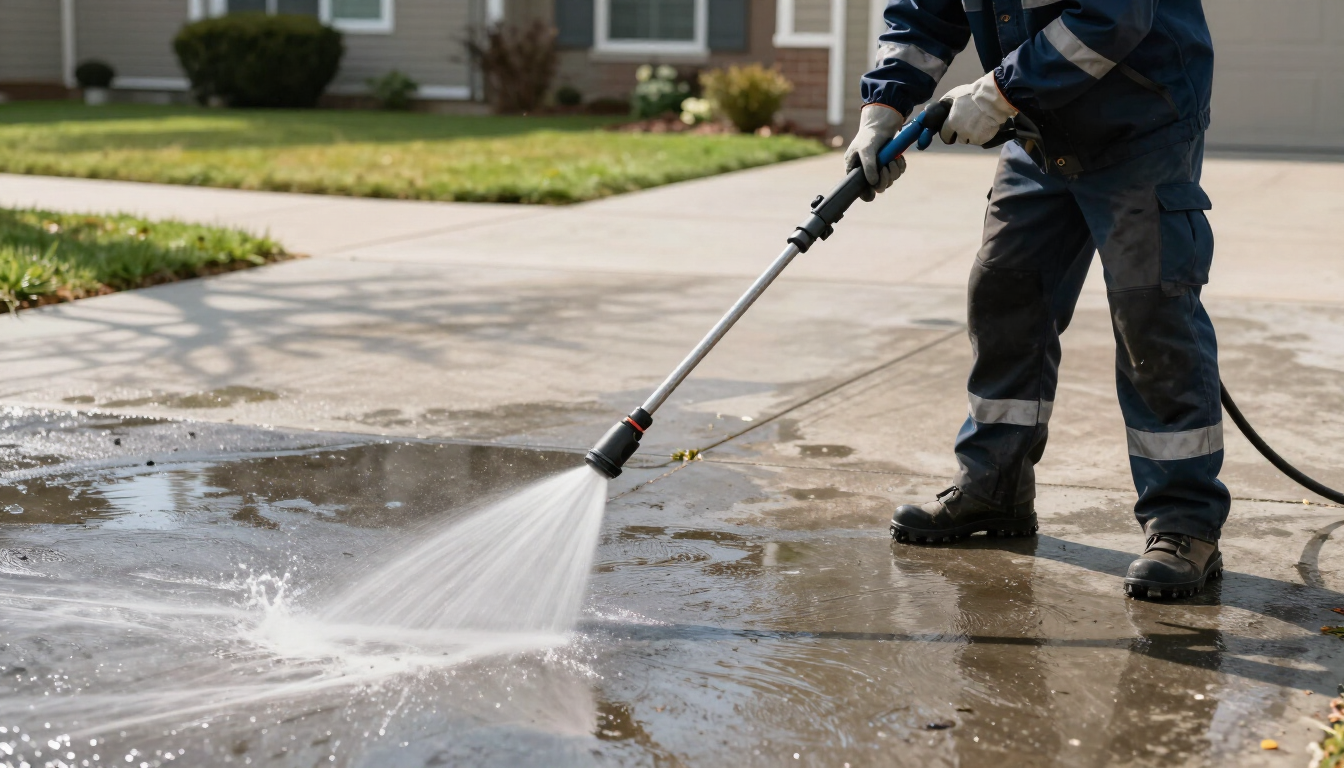
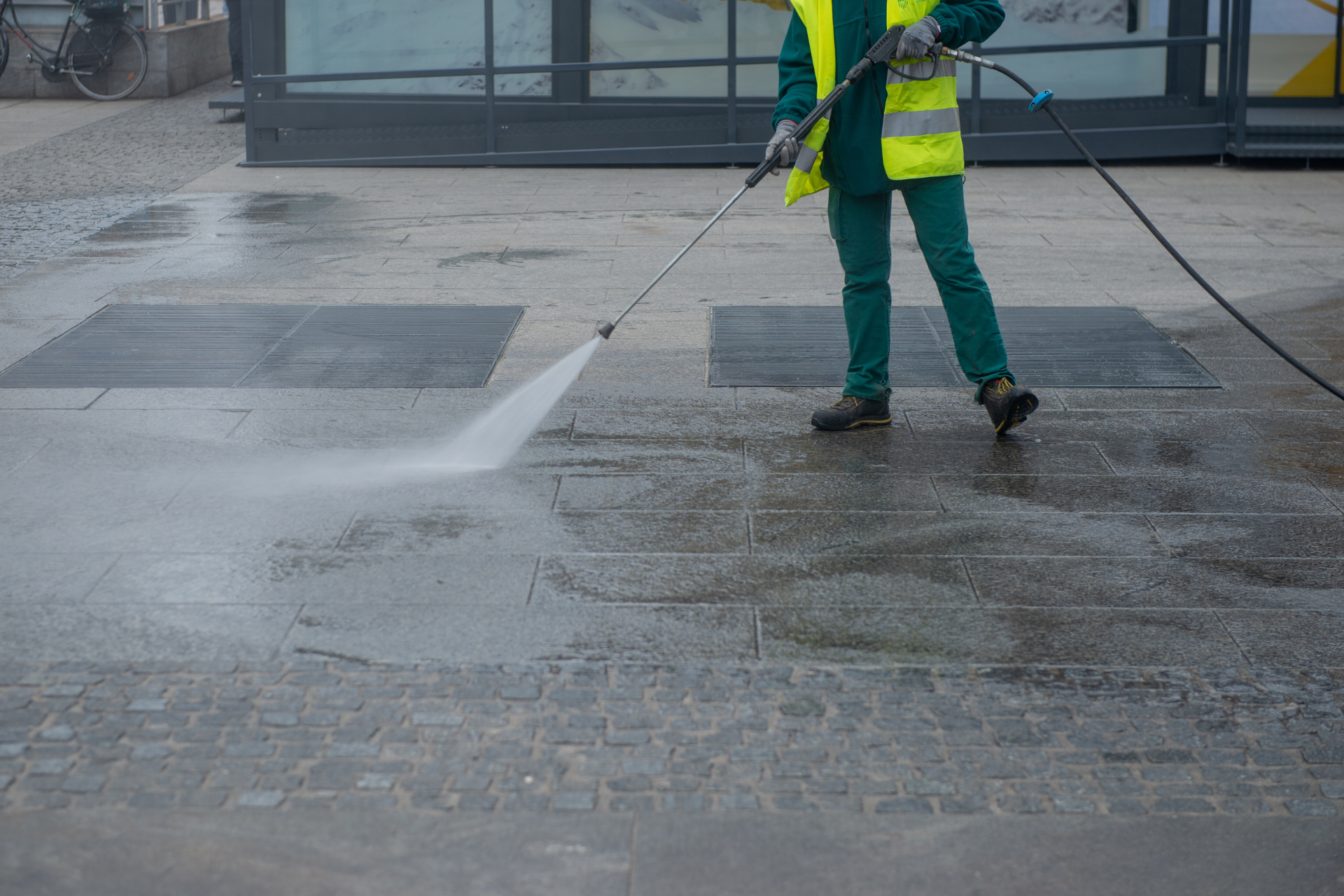
Siding is designed to shed water that falls vertically (like rain), but it is not watertight against horizontal, high-pressure streams. When water is forced behind the panels, it becomes trapped against the wooden sheathing and insulation of your home. This creates a hidden breeding ground for internal mold growth and wood rot that you won't see until the damage is extensive. Additionally, high pressure can strip the finish off aluminum siding or leave permanent "wand marks" or oxidation stripes on vinyl that ruin the aesthetic of the home. This is why we always recommend a low-pressure approach for residential exteriors. For other surfaces like your driveway, driveway pressure washing is appropriate, but for your walls, a gentler touch is mandatory to preserve the structural integrity of the building.
What is soft washing and why is it safer?
Soft washing is the industry-standard alternative to traditional pressure washing for delicate surfaces like siding and roofs. Instead of relying on sheer force to blast away dirt, soft washing uses a specialized delivery system to apply a biodegradable cleaning solution at very low pressure—roughly the same as a heavy rainstorm or a garden hose. This solution is specifically formulated to break down the molecular bond of algae, mold, and mildew, killing the organisms at their root. Once the solution has had time to dwell and neutralize the organic growth, it is gently rinsed away, leaving the surface sanitized and clean.
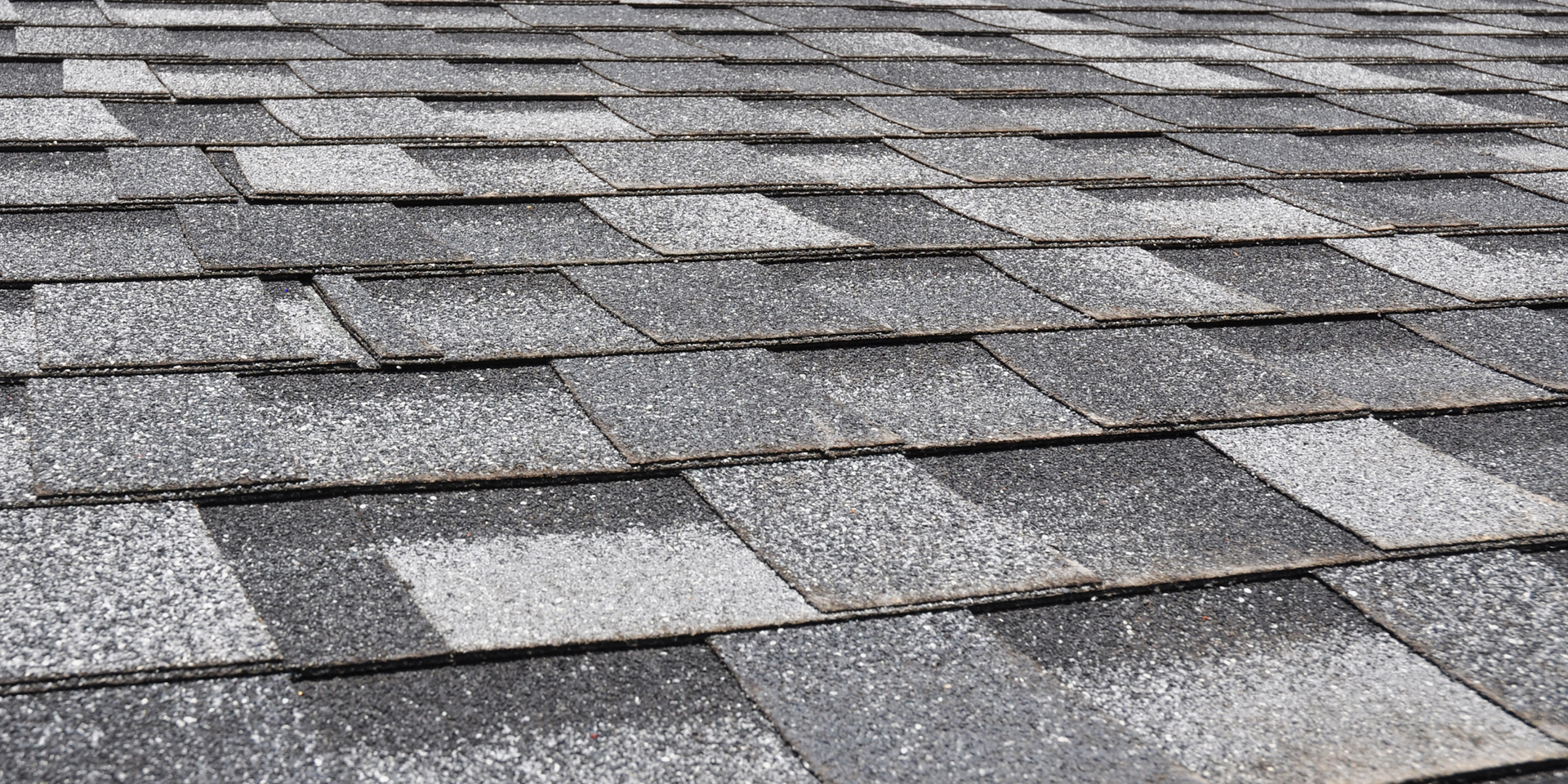
This method is vastly superior for several reasons. Primarily, it eliminates the risk of water intrusion behind the siding, as the pressure is not high enough to bypass the overlapping panels. Furthermore, because the solution actually kills the spores, the results last much longer than traditional pressure washing. When you only use water, you leave behind living organisms that immediately begin to regrow. Soft washing ensures a deeper clean that protects your home's curb appeal for an extended period. We utilize this same gentle philosophy for roof cleaning to ensure that shingles are not damaged during the process. For homeowners in Spring Hill, this represents the safest balance between effective cleaning and long-term property protection, ensuring your siding looks like new without the risk of costly structural repairs.
5 Steps to prevent siding discoloration
While you cannot change the Tennessee climate, there are proactive steps you can take to slow down the rate at which your siding turns green. Maintenance is key to extending the time between professional cleanings and keeping your home looking its best throughout the seasons.
- Trim surrounding vegetation: Ensure that bushes, shrubs, and tree branches are at least three feet away from your siding to improve airflow and reduce shade.
- Direct gutter runoff away from walls: Ensure your gutters are clean and downspouts are functioning correctly so water doesn't splash back onto the siding during rain.
- Regularly inspect the north side: Check the shaded areas of your home monthly so you can catch algae growth early before it covers a large area.
- Wash off loose debris: Occasionally rinsing your siding with a standard garden hose can remove the dust and pollen that algae use as food.
- Schedule professional maintenance: Having a professional soft washing service performed every 12 to 24 months prevents organic growth from becoming deeply embedded.
When should I hire a professional for siding cleaning?
You should consider hiring a professional when the green growth covers more than a small patch or when it has reached the second story of your home. Cleaning siding involves working on ladders and handling specialized chemicals that require proper safety equipment and training. If you are preparing to sell your home or simply want to restore that "just built" look, a professional service is the most efficient route. At Proven Pressure Washing, we are a family-owned, locally operated team that understands the specific challenges of Tennessee exteriors. We invite you to request a service to see the difference that professional-grade equipment and expertise can make for your property. Our goal is to provide a reliable, high-quality result that lets you spend your weekends enjoying your home rather than scrubbing it.
Summary of Why Your Siding Turns Green
Siding turns green due to Tennessee's high humidity and shaded environments which foster algae and mold growth. The most effective solution is professional soft washing, which kills organic spores without damaging the siding or forcing water into the home's structure. To maintain your home's appearance and value, follow these key takeaways:
- Algae thrives in shade: The north side of your home is most susceptible due to moisture retention.
- Soft washing is mandatory: High-pressure washing risks cracking vinyl and causing internal wood rot.
- Kill the spores, don't just move them: Specialized cleaning solutions ensure the green growth doesn't return immediately.
- Prevention through maintenance: Keep trees trimmed and gutters clear to reduce the organic food sources for algae.
- Hire local expertise: Professionals like Proven Pressure Washing have the right tools for Spring Hill’s specific climate challenges.