
When Should You Seal Your Aggregate Driveway in Spring Hill, TN
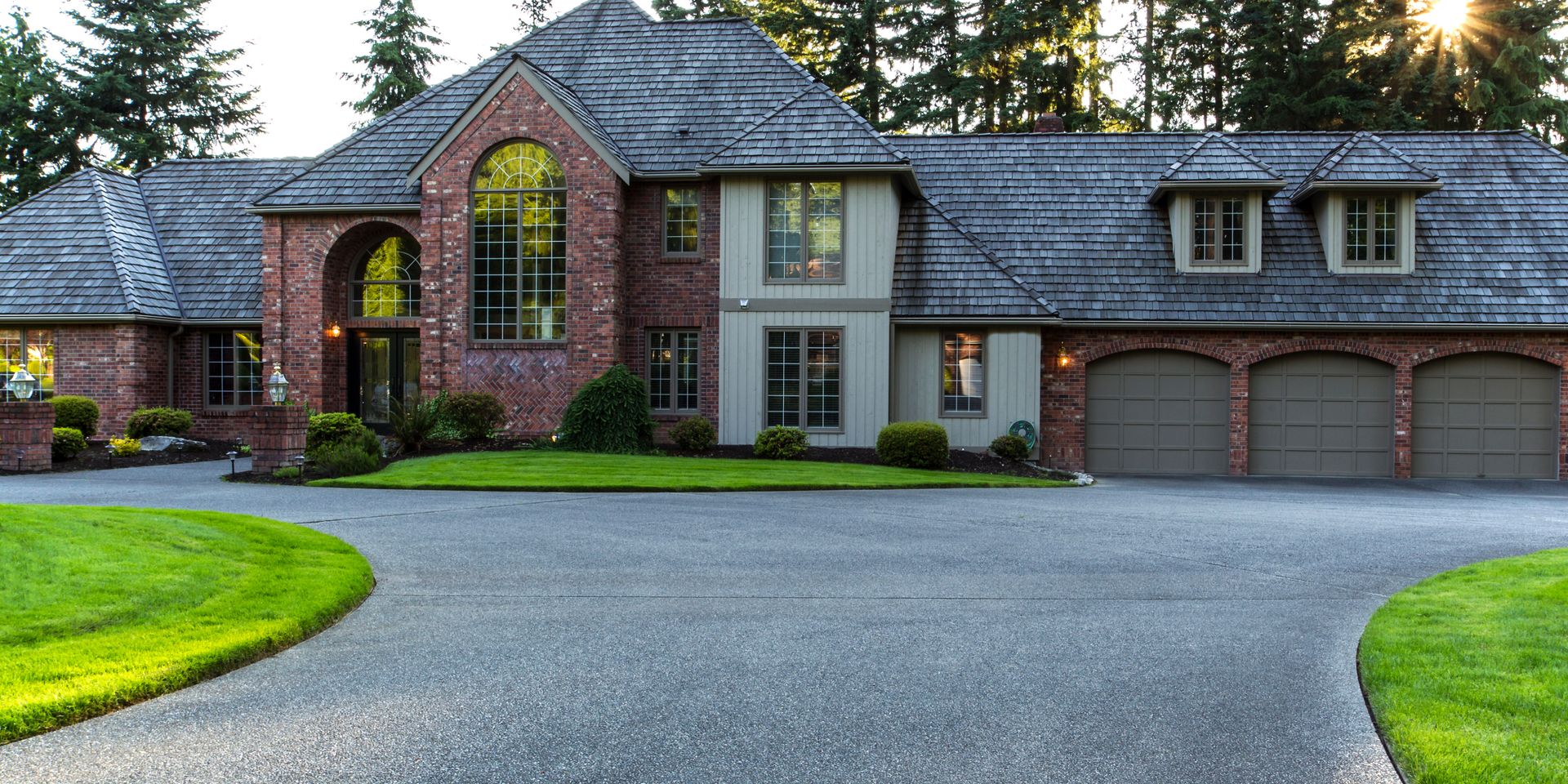
Exposed aggregate driveways are a favorite among Spring Hill homeowners — and for good reason. The decorative stone finish adds texture, character, and curb appeal that plain concrete can't match. But aggregate driveways have one requirement many homeowners overlook: they need to be sealed, and resealed, on a regular schedule.
Skip the sealing, and that beautiful stone surface starts breaking down faster than you'd expect. Here's how to know when your aggregate driveway needs sealing, why it matters in Middle Tennessee, and how to get the longest life out of your investment.
What Is an Exposed Aggregate Driveway?
Exposed aggregate is a decorative concrete finish where the top layer of cement paste is removed to reveal the natural stones — the aggregate — embedded within. The result is a textured, pebbled surface that looks great and provides excellent traction.
But that exposed surface is also the driveway's weak point. Unlike smooth concrete, aggregate has thousands of tiny crevices between stones where water, dirt, and contaminants collect. The sealer is what protects it all — it's the invisible shield holding the surface together.
Why Sealing Matters in Middle Tennessee
Spring Hill's climate is tough on unsealed aggregate:
- Freeze-thaw cycles. Tennessee winters bring repeated freezing and thawing. Water that seeps into an unsealed surface expands as it freezes, popping stones loose and creating surface cracks that grow each season.
- UV exposure. Hot summer sun fades the natural color of the stones and breaks down the cement paste holding them in place.
- Rain and humidity. Frequent moisture feeds algae and mildew growth in the crevices between stones, causing green and black staining.
- Vehicle fluids. Oil, gas, and brake fluid soak quickly into unsealed aggregate, leaving permanent stains.
A quality sealer blocks water absorption, resists stains, slows UV fading, and locks the surface stones in place — dramatically slowing all four forms of damage.
Signs Your Aggregate Driveway Needs Sealing
Not sure if it's time? Look for these indicators:
- Water no longer beads. This is the easiest test. Pour a little water on the driveway — if it soaks in and darkens the surface instead of beading up, the sealer is worn out.
- The surface looks dull or faded. A sealed aggregate driveway has a slight sheen that enhances the stone colors. When it looks flat, chalky, or washed out, the protective layer is gone.
- Loose or missing stones. If you're finding pebbles in your yard or seeing bare patches where stones have popped out, the cement paste is deteriorating — sealing helps lock the remaining surface in place.
- Stains are setting in. Oil spots, tire marks, rust, or algae discoloration that won't rinse off means contaminants are penetrating the surface directly.
- It's been more than 3 years. Even with no visible symptoms, sealer wears down invisibly under traffic and weather. If you can't remember the last time it was sealed, it's due.
How Often Should You Reseal?
For most Spring Hill driveways, plan on resealing every 2 to 3 years. Driveways with heavy vehicle traffic, full sun exposure, or shaded sections prone to algae may need it closer to every 2 years, while lightly used driveways in good condition can sometimes stretch to 3.
New aggregate driveways should receive their first seal shortly after installation (once the concrete has fully cured), then follow the regular schedule from there.
Why Cleaning Must Come First
Here's the step homeowners most often get wrong: sealing a dirty driveway locks the dirt in.
Sealer applied over algae, embedded grime, or oil stains traps those contaminants underneath, causing discoloration, poor adhesion, and premature peeling. Professional aggregate driveway cleaning removes the buildup from all those crevices between stones — something a garden hose can't do — so the sealer bonds properly to a clean surface.
The correct process:
- Professional cleaning to remove dirt, algae, stains, and old surface contaminants
- Complete drying, typically 24 to 48 hours depending on weather
- Sealer application in appropriate temperatures and dry conditions
Done in this order, the sealer performs the way it's designed to — and lasts its full lifespan.
Protect Your Driveway Before Winter Does Its Damage
If your aggregate driveway is looking faded, absorbing water, or shedding stones, now is the time to act — ideally before Tennessee's freeze-thaw season arrives.
Proven Pressure Washing provides professional aggregate driveway cleaning and sealing throughout Spring Hill, Thompson's Station, Franklin, Brentwood, Columbia, and surrounding Middle Tennessee communities. We handle the complete process — proper cleaning, drying, and sealing — so your driveway gets lasting protection, not just a quick coat.
Call us today at (615) 964-0070 or request your free estimate online to schedule your aggregate driveway cleaning and sealing.
Latest Posts