
Pressure Washing Mistakes Damaging TN Homes

Proven Pressure Washing

Share this article

What Is the Most Common Pressure Washing Mistake in Tennessee?

The biggest pressure washing mistake damaging Tennessee homes is applying high-pressure water to delicate surfaces like vinyl siding, wood fences, and asphalt shingles. This brute-force method causes water intrusion, removes protective coatings, and forces moisture behind siding, leading to hidden mold growth, structural rot, and permanent surface etching.

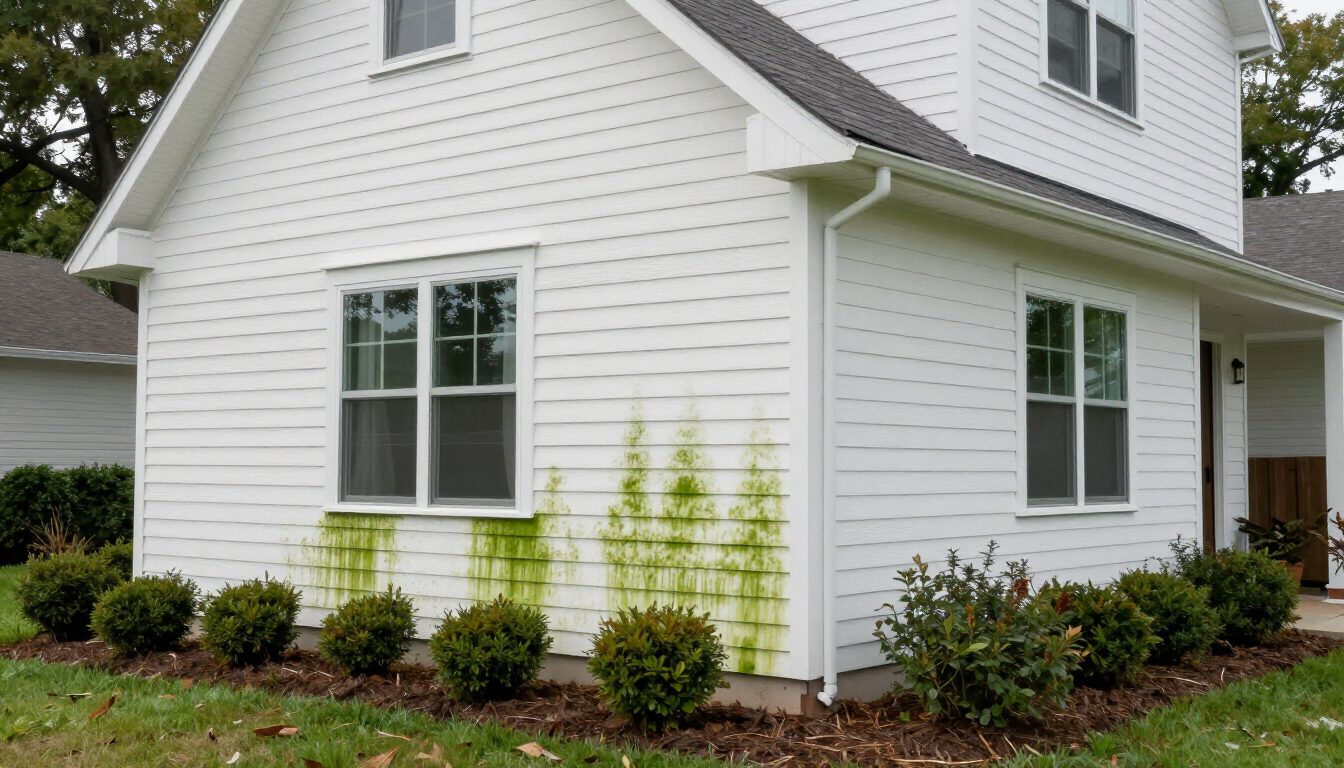
In the humid climate of Middle Tennessee, particularly in areas like Spring Hill and Williamson County, homeowners are constantly battling organic growth. Green algae, black mold, and mildew thrive on our exterior surfaces due to the combination of heat and moisture. When these unsightly stains appear, the natural instinct for many is to grab a high-powered pressure washer and blast the grime away. However, this "more power is better" philosophy is exactly what leads to thousands of dollars in property damage every year.

Tennessee homes are built with a variety of materials, from classic brick and mortar to modern vinyl and fiber-cement siding. Each of these materials has a specific tolerance for pressure. Blasting these surfaces with 3,000 or 4,000 PSI (pounds per square inch) is akin to using a sledgehammer to hang a picture frame. It might get the job done, but the collateral damage is often severe and, in many cases, irreversible.

Why Is High Pressure Damaging My Tennessee Home?

High pressure is physically abrasive. When used on vinyl or Hardie Board siding, it can strip the factory finish, leaving the material dull and more susceptible to future staining. Even worse, high-pressure water is easily forced behind the siding panels. Once water gets trapped in the wall cavity, it creates a breeding ground for mold that you can't see, which eventually rots the wooden sheathing and framing of your home.

Professional Siding Cleaning requires a nuanced approach. Here are the primary ways high pressure causes damage:

  • Oxidation Removal: High pressure can unevenly strip the oxidation layer off vinyl siding, creating permanent "tiger stripes" or blotchy patches.
  • Water Intrusion: It forces water through weep holes, around window seals, and under door frames, leading to interior drywall damage.
  • Surface Etching: On softer materials like wood or even certain types of stone, the water stream can physically carve lines into the surface.
  • Sealant Failure: It can blast away the caulk and sealants around your fixtures and windows, compromising your home's energy efficiency.
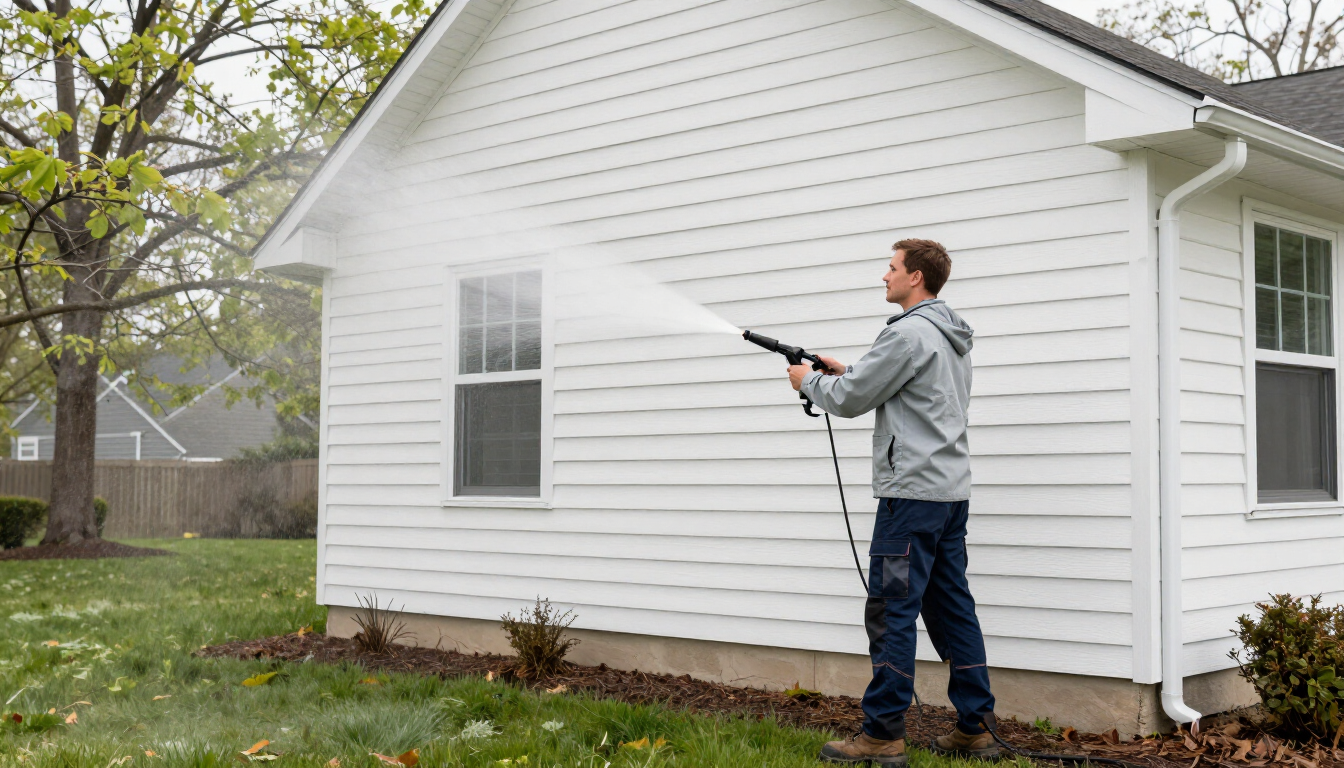
photorealistic technician soft washing a white vinyl siding house gentle spray professional gear suburban Spring Hill TN setting

The Hidden Dangers of High-Pressure Roof Cleaning

Your roof is your home’s first line of defense against the elements, yet it is often the most mistreated surface. In Tennessee, we frequently see black streaks on roofs, which is actually a hardy bacterium called Gloeocapsa Magma . While this bacteria eats away at the limestone filler in your shingles, the solution is never to use high pressure to remove it.

Using a pressure washer on an asphalt shingle roof is one of the most expensive mistakes a homeowner can make. The high-velocity water strips away the protective ceramic granules that reflect UV rays and provide fire resistance. Once these granules are gone, the lifespan of your roof is cut in half. Furthermore, most shingle manufacturers will void your warranty immediately if they discover the roof was cleaned with high pressure.

Instead of pressure, professional Roof Cleaning should always utilize a dedicated soft wash system. This method uses eco-friendly cleaning solutions to kill the bacteria at its root without disturbing the integrity of the shingles. This ensures your roof stays clean for longer and remains under warranty.

Can High Pressure Ruin My Wood Fence or Deck?

Wood is a natural, porous material that is easily damaged by excessive force. When homeowners attempt Fence Cleaning or deck restoration with a standard pressure washer, they often end up with "furry" wood. This happens when the high-pressure stream shreds the wood fibers, causing them to stand up and splinter.

Not only does this look unattractive, but it also makes the wood much harder to seal or stain later. The damaged fibers won't absorb product evenly, and the splinters create a safety hazard for anyone walking barefoot on a deck. Proper wood restoration involves low-pressure rinsing combined with specific brightening agents that restore the wood’s natural pH balance and color without destroying the grain.

Key considerations for wood surfaces include:

  • Pressure Settings: Never exceed 1,000 PSI on softwoods like cedar or pine.
  • Distance: Keeping the nozzle too close creates deep gouges that cannot be sanded out.
  • Consistency: Uneven strokes lead to visible lap marks that ruin the aesthetic of the fence.

Protecting Your Spring Hill Aggregate Driveway

In Middle Tennessee, aggregate driveways are incredibly popular. These surfaces, made of small stones embedded in concrete, are beautiful but require specific care. A common mistake is using a turbo nozzle at close range during Driveway Pressure Washing . This can dislodge the individual stones from the cement matrix, leading to pitting and a crumbly surface.

Furthermore, cleaning a driveway without following up with Aggregate Driveway Sealing is a missed opportunity for protection. In our region, the freeze-thaw cycles in winter can cause water trapped in the pores of the concrete to expand, leading to cracks. A high-quality sealer prevents water and oil from penetrating the surface, keeping the driveway looking "wet" and vibrant while extending its life.

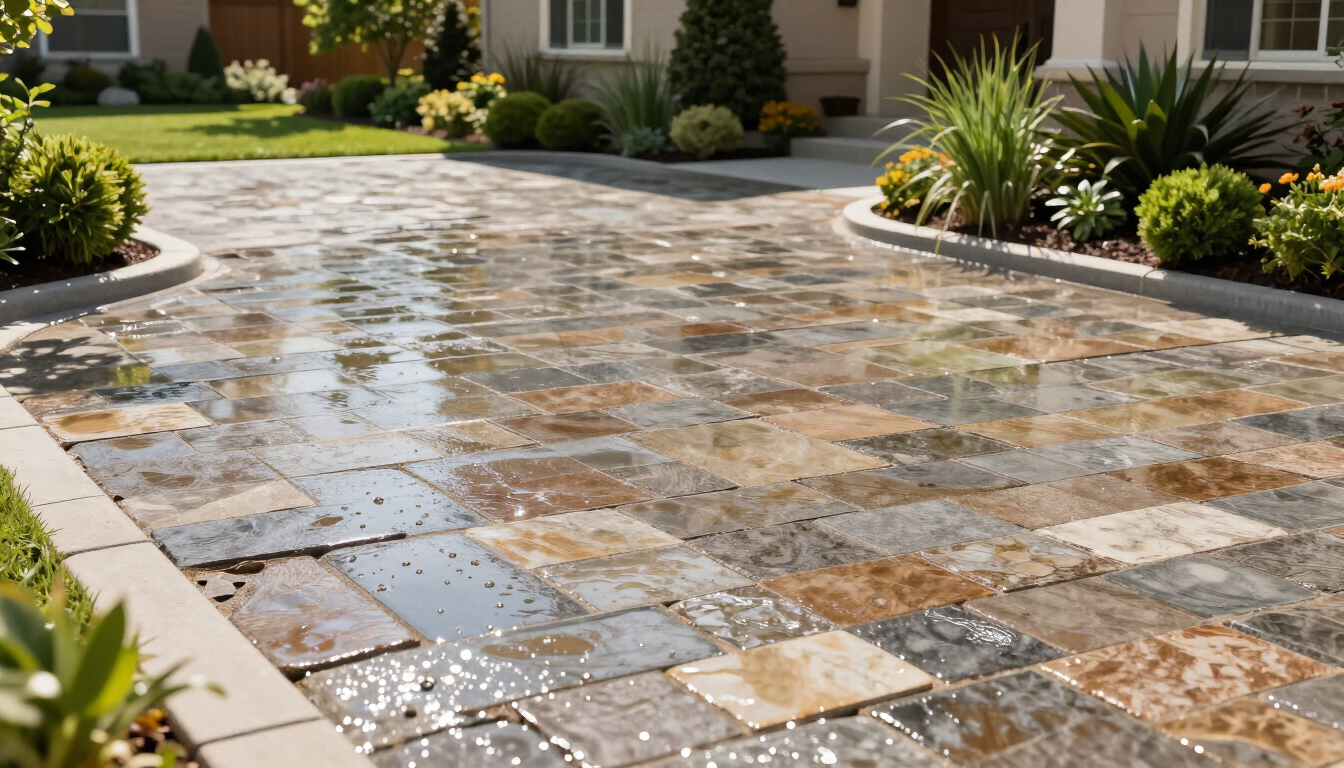
photorealistic clean aggregate driveway with water beads showing it's freshly sealed bright sunlight beautiful landscaping

What is Soft Washing and Why Does it Work?

If high pressure is the mistake, soft washing is the solution. Soft washing is a cleaning method that uses low-pressure pumps (similar to the pressure of a garden hose) to apply a specialized mixture of soaps and surfactants. This mixture does the heavy lifting of breaking down dirt, algae, and mold, while the water simply acts as a delivery and rinsing mechanism.

Why soft washing is superior for Tennessee homes:

  1. Kill vs. Clean: Pressure washing often just "mows" the top of the algae, leaving the roots behind. Soft washing kills the organic growth entirely, meaning the surface stays clean 2-3 times longer.
  2. Safety: There is zero risk of water intrusion or surface damage because the pressure is so low.
  3. Efficiency: It allows for a more even and thorough clean on large surfaces like siding and roofs.
  4. Eco-Friendly: Modern professional solutions are biodegradable and safe for your landscaping when handled by experts.
  5. Versatility: It can be used on almost any surface, from delicate dry-vit and stucco to robust brick.

Avoiding The Long-Term Financial Impact of Exterior Damage

The irony of DIY pressure washing is that many homeowners do it to save money, only to face massive repair bills later. Replacing a ruined roof can cost upwards of $15,000. Re-siding a home can exceed $20,000. Even the cost of professional wood sanding to fix a shredded deck is significantly higher than the cost of a professional cleaning service.

Beyond the immediate repair costs, there is the issue of curb appeal and property value. In a competitive real estate market like Spring Hill, TN, first impressions are everything. Blotchily cleaned siding or a scarred driveway sends a signal to potential buyers that the home hasn't been properly maintained. By choosing a professional team that understands the science of cleaning, you are investing in the longevity of your biggest asset.

How Often Should I Clean My Home’s Exterior?

Maintenance frequency depends heavily on the amount of shade and moisture your property receives. However, a general rule of thumb for Tennessee homeowners is:

  • Siding: Once every 12 to 18 months to prevent permanent staining from algae.
  • Roof: Every 2 to 4 years, or whenever black streaks begin to appear.
  • Driveway and Sidewalks: Annually, ideally followed by a resealing every 2-3 years.
  • Gutters: Twice a year (Spring and Fall) to ensure proper drainage away from the foundation.

Summary Checklist for Safe Home Cleaning

To ensure your home remains protected and beautiful, keep these key takeaways in mind:

  • Avoid DIY Pressure Washers: Rental units are often poorly maintained and deliver inconsistent pressure.
  • Prioritize Soft Washing: Demand low-pressure methods for all siding and roof surfaces.
  • Check for Insurance: Ensure any company you hire is fully insured to protect against accidental damage.
  • Seal After Cleaning: Always seal porous surfaces like aggregate or wood after a deep clean.
  • Hire Local Experts: Choose a company familiar with the specific environmental challenges of Middle Tennessee.

At Proven Pressure Washing, we live by the motto: "Let us prove that Proven is your one-stop pressure washing company." We understand the nuances of Tennessee home construction and the delicate balance required to clean effectively without causing damage. Whether you need a simple driveway refresh or a full house wash, we are here to help.

Don't let a simple cleaning task turn into a costly renovation. If you're ready to restore your home's curb appeal safely and professionally, Contact Us today for a free estimate. We serve Spring Hill, Williamson County, Maury County, and the surrounding areas with the care and expertise your home deserves.

Recent Posts

Close up of green algae growth on vinyl siding
August 30, 2026
Is your house siding turning green? Learn why algae keeps coming back to your Spring Hill, TN home and how professional siding cleaning can stop it for good.

Close-up of green algae growth on residential vinyl siding.
August 16, 2026
Discover why siding turns green in Tennessee and learn why soft washing is the safest, most effective solution for your Spring Hill home.
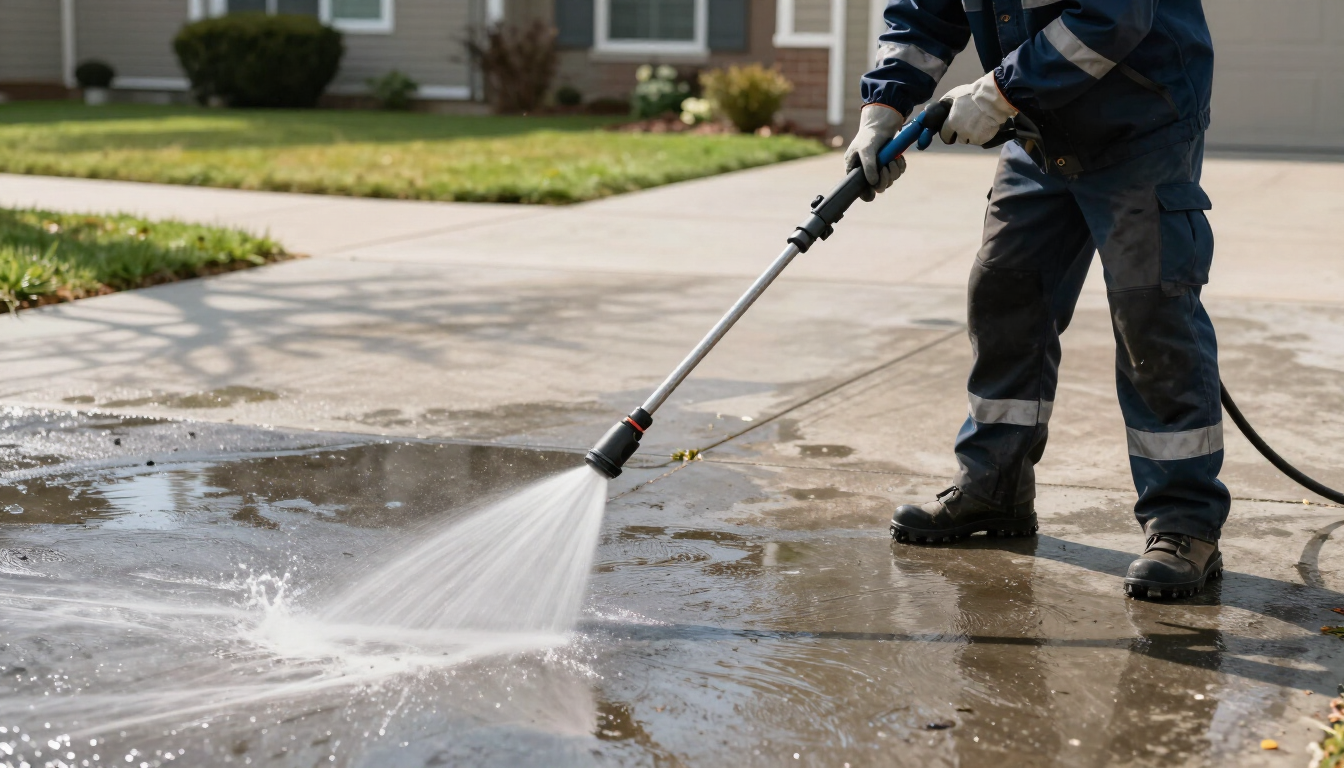
Professional oil stain removal on a concrete driveway in Spring Hill TN
August 9, 2026
Struggling with stubborn driveway oil stains? Learn why they are so hard to remove and how professional pressure washing can restore your concrete in Spring Hill.
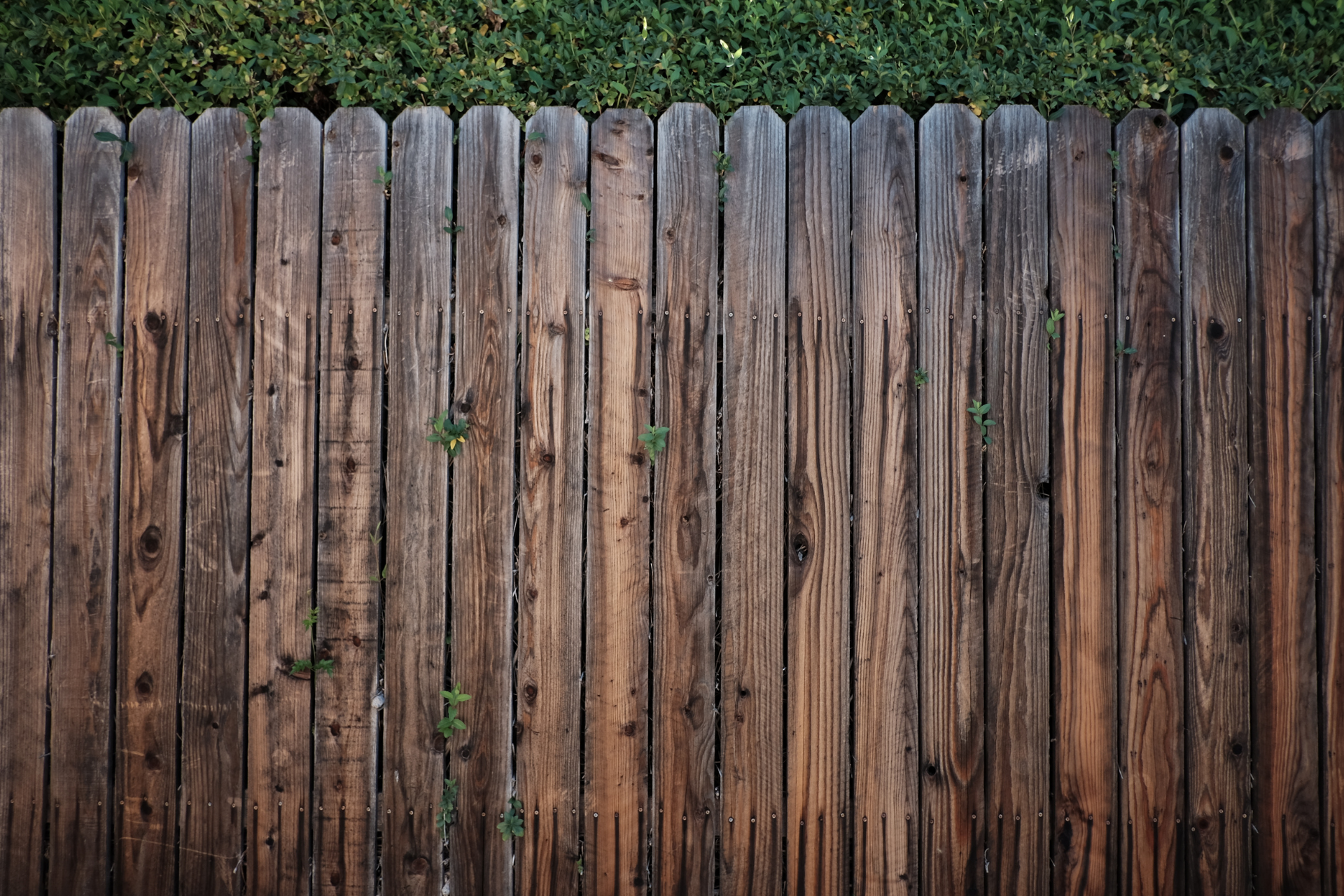
Weathered wooden fence with vertical planks and a few green vines peeking through gaps
August 2, 2026
Learn why wood fences turn gray, how professional fence cleaning restores their beauty, and why proper maintenance extends fence life.
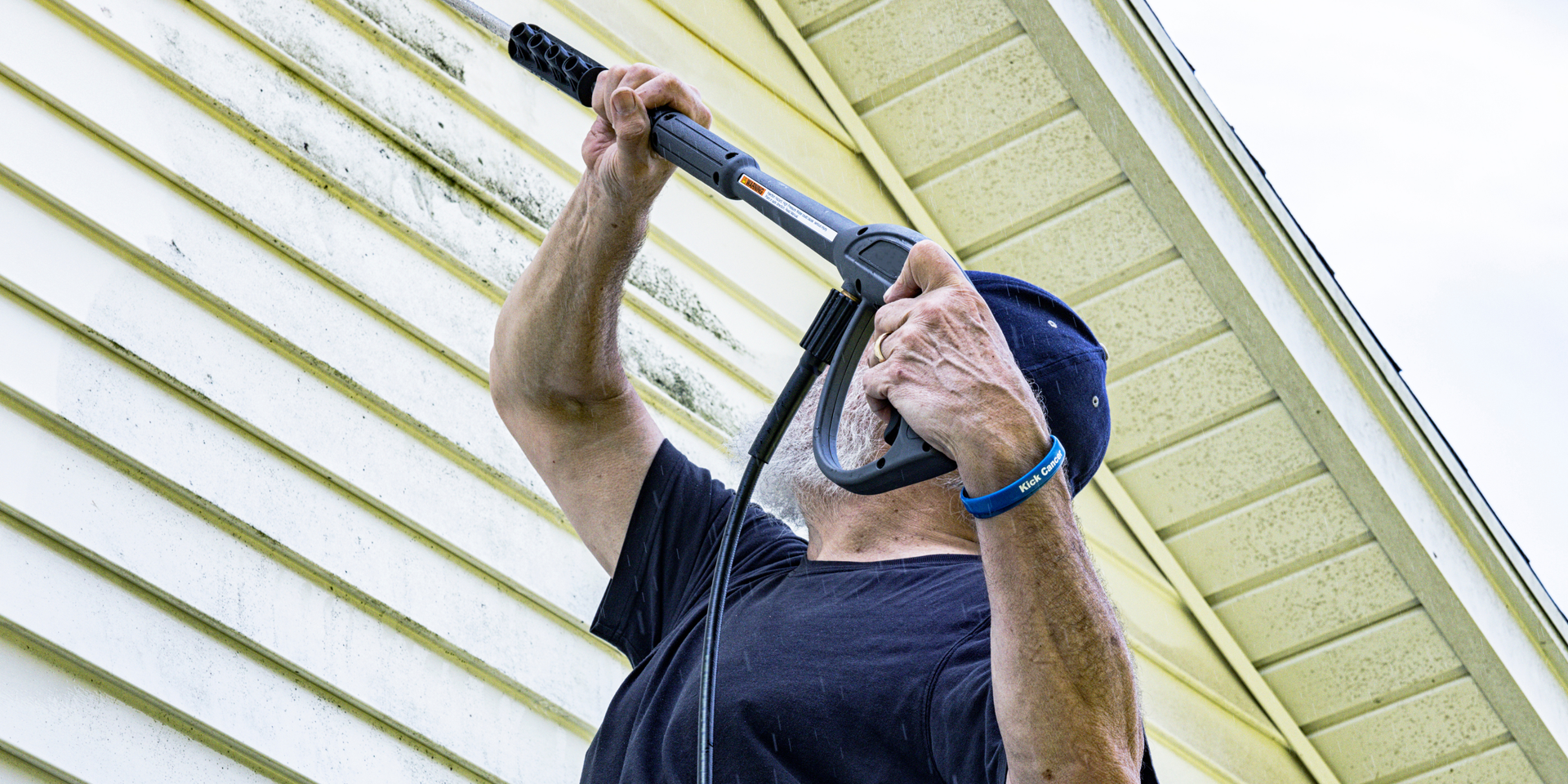
Man using a power drill to install a gutter under a house roof overhang
July 12, 2026
See how often Tennessee homes need siding cleaning, what happens when you wait, and why soft washing is the safe method in Spring Hill, TN.
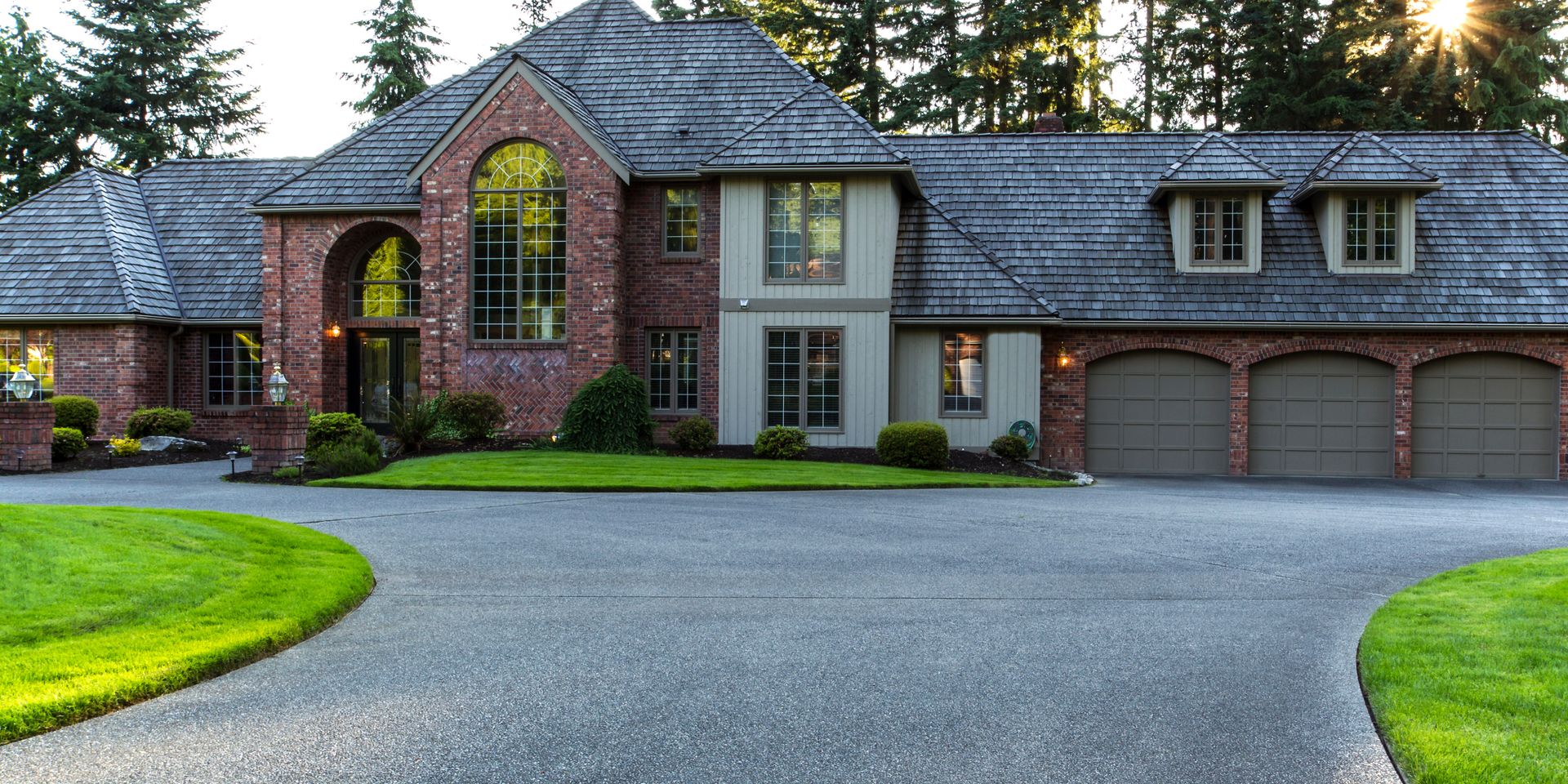
Large modern brick house with gray roof, three-car garage, and a curved driveway at dusk
July 12, 2026
Learn the signs your aggregate driveway needs sealing, how often to reseal, and why cleaning comes first — from Spring Hill, TN pros.
Close-up of gray asphalt roof shingles in a repeating pattern
July 12, 2026
Learn how professional roof cleaning removes algae and moss, protects your shingles, and extends roof life for Spring Hill, TN homeowners.
Worker in yellow safety vest pressure-washing a wet sidewalk on a rainy street.
April 11, 2026
Professional driveway pressure washing removes dirt, algae, oil stains, and grime from concrete surfaces in Spring Hill, TN, restoring curb appeal and cleanliness.
Person pressure-washing a sidewalk beside grass, wearing jeans and black rubber boots.
April 11, 2026
Learn the difference between soft washing and pressure washing, which surfaces each method should be used for.
Pressure washing a wet stone patio, with a spray nozzle cleaning orange-stained tiles
April 11, 2026
Discover the most common pressure washing mistakes homeowners make and learn how professional exterior cleaning helps.

Show More