Soft Washing vs. Pressure Washing: What Spring Hill Homeowners Should Know

Many homeowners searching for exterior cleaning services assume pressure washing is the correct solution for every surface around their property. While pressure washing is highly effective for concrete driveways and other hard surfaces, using excessive pressure on delicate materials like siding, roofing, and fences can actually create expensive damage if handled incorrectly.
What Is Pressure Washing?
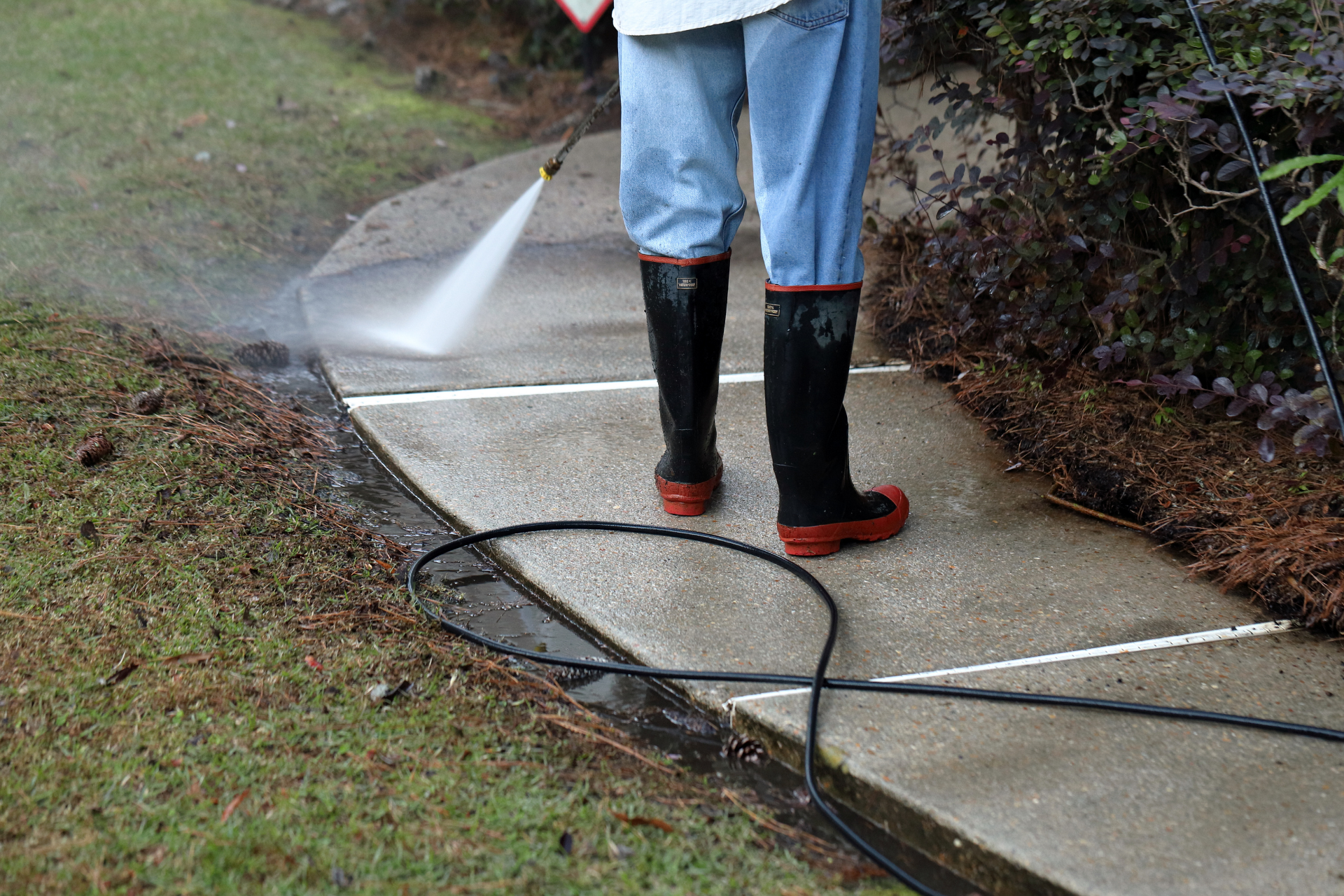
Pressure washing uses highly pressurized water to remove dirt, grime, algae, mildew, stains, mud, and surface buildup from durable exterior surfaces. Professional pressure washing equipment commonly operates between 2,000 and 4,000 PSI depending on the surface being cleaned and the level of buildup present.
Pressure washing is typically recommended for:
- Concrete driveways
- Sidewalks
- Patios
- Pool decks
- Brick surfaces
- Retaining walls
- Aggregate concrete
Hard exterior surfaces can generally tolerate higher pressure without damage when cleaned properly. Professional pressure washing helps remove deeply embedded grime and restore cleaner concrete surfaces much more effectively than standard garden hoses or light-duty residential pressure washers.
However, more pressure does not always mean better cleaning. Excessive pressure applied incorrectly can etch concrete, damage mortar joints, or leave visible striping patterns on surfaces when improper techniques are used.

What Is Soft Washing?
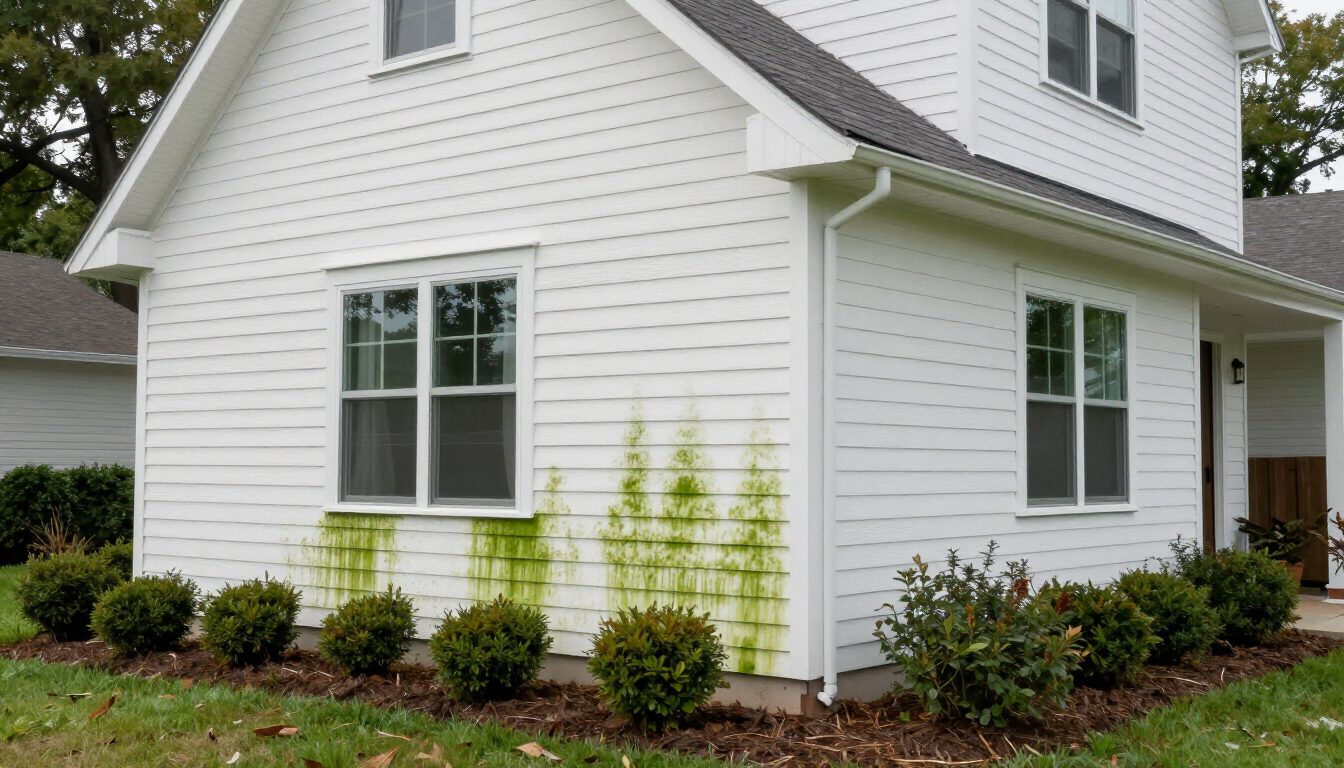
Soft washing uses low-pressure water combined with specialized biodegradable cleaning solutions designed to kill algae, mold, mildew, bacteria, and organic buildup at the source. Instead of relying on water force alone, soft washing allows the cleaning solution to break down contaminants before the surface is gently rinsed clean.
Soft washing is the preferred cleaning method for:
- Roofs
- Vinyl siding
- Painted surfaces
- Stucco
- Wood fencing
- Exterior trim
- Delicate exterior materials
Professional soft washing systems typically operate below 500 PSI, making the process much safer for sensitive surfaces that could otherwise be damaged by high-pressure washing.
One major advantage of soft washing is that it treats the root cause of algae and mildew growth rather than only removing the visible surface layer. This often produces longer-lasting cleaning results compared to high-pressure rinsing alone.
Why Using the Wrong Cleaning Method Can Damage Your Home
Set a reminder to check your filters monthly and replace them when they look dirty. Using high-quality filters and scheduling regular HVAC maintenance can also help maintain proper airflow and system performance.