The Most Common Exterior Cleaning Mistakes Homeowners Make
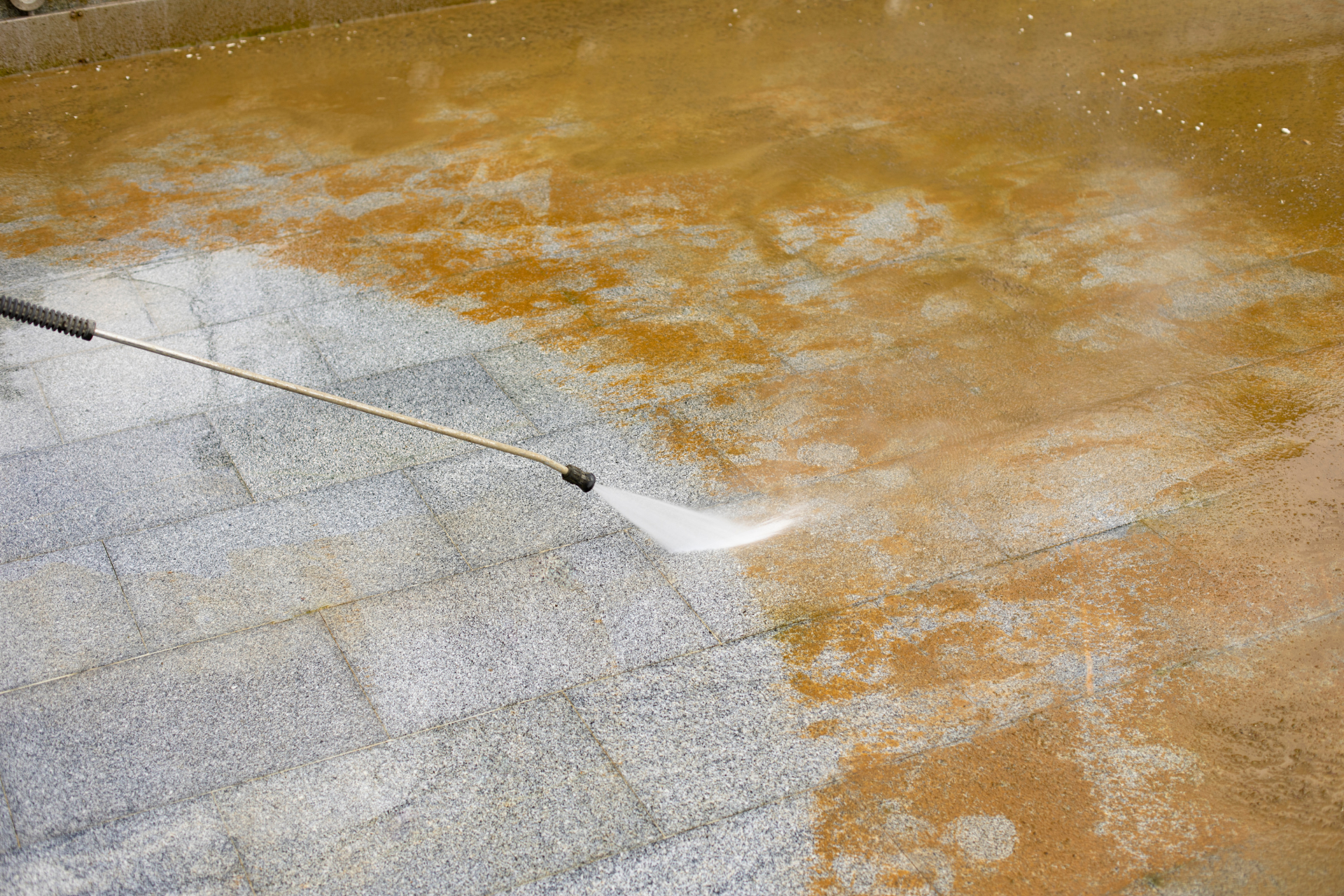
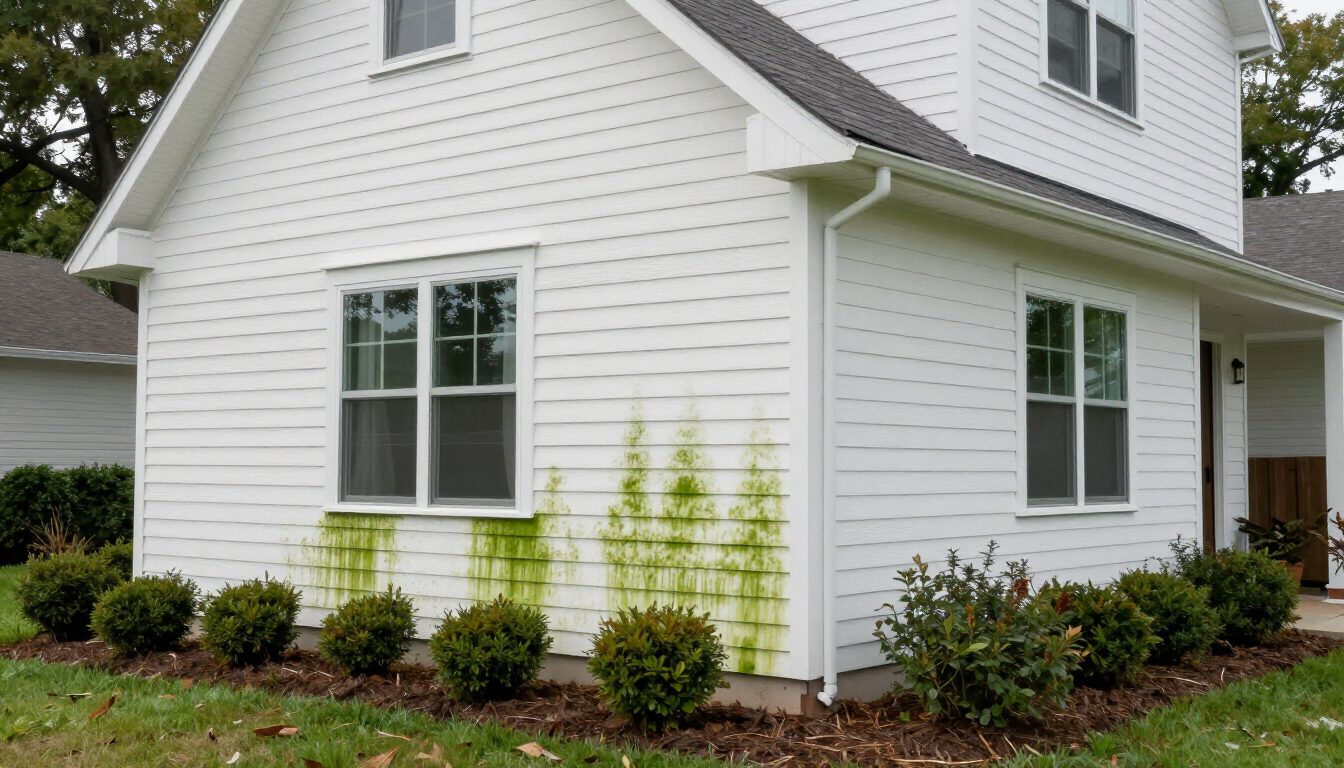
One of the most common mistakes homeowners make is waiting too long before cleaning exterior surfaces. Algae, mildew, stains, and organic buildup gradually worsen over time, making surfaces harder to restore once buildup becomes deeply embedded. Delaying maintenance can also contribute to long-term discoloration and surface wear on siding, roofs, fences, and driveways.
Another major mistake is using excessive pressure on delicate surfaces like roofing shingles, painted siding, and wood fencing. High-pressure washing may appear effective initially, but improper techniques can strip paint, damage wood fibers, loosen siding panels, and shorten the lifespan of exterior materials. Professional soft washing methods are often safer and more effective for delicate surfaces.
Waiting Too Long Before Cleaning Exterior Surfaces
Many homeowners do not notice how much algae, dirt, and surface buildup has accumulated until exterior surfaces become heavily stained or discolored. By the time buildup becomes highly visible, contaminants have often already settled deep into concrete, siding, roofing, or fencing materials, making restoration more difficult and time-consuming.
Routine exterior cleaning helps prevent buildup from becoming severe while maintaining cleaner and better-looking surfaces throughout the year. Homes in Spring Hill, TN are especially vulnerable due to the region’s humidity, rainfall, and moisture-rich conditions that accelerate algae and mildew growth on exterior surfaces.
Using Too Much Pressure on Delicate Surfaces
One of the biggest misconceptions about pressure washing is that higher pressure automatically produces better cleaning results. In reality, excessive pressure can permanently damage delicate surfaces including roofing shingles, painted siding, vinyl panels, wood fencing, stucco, and exterior trim.
Improper pressure washing may strip paint, splinter wood fibers, force water behind siding, loosen caulking, and reduce the lifespan of roofing materials. Professional exterior cleaning companies evaluate the surface material first and use soft washing methods when lower pressure is the safer and more effective option.
Ignoring Algae and Mildew Growth
Many homeowners assume algae and mildew are only cosmetic issues, but organic buildup can continue spreading and trapping moisture against exterior surfaces over time. Roof algae may contribute to shingle deterioration, mildew can discolor siding, and algae-covered concrete surfaces often become slippery and unsafe when wet.
Routine cleaning helps remove algae, mildew, mold, and organic buildup before it contributes to long-term surface deterioration. Homes surrounded by trees or shaded landscaping generally experience faster buildup and often require more frequent maintenance.
Using Household Cleaners or Harsh Chemicals
Store-bought cleaning products and DIY chemical mixtures may appear effective temporarily, but many products are not designed for professional exterior cleaning applications. Certain household chemicals may discolor surfaces, damage landscaping, or fail to fully eliminate algae and mildew at the source.
Professional exterior cleaning services use specialized cleaning solutions designed for specific surface materials and buildup conditions. Proper cleaning products combined with professional equipment help deliver safer and longer-lasting cleaning results.
Latest Posts