How Roof Cleaning Extends the Life of Your Shingles: What Spring Hill Homeowners Should Know
Your roof is one of the most expensive components of your home — and one of the easiest to neglect. Most homeowners in Spring Hill, TN don't think about their roof until they notice dark streaks running down the shingles or a neighbor mentions theirs looks worn. By that point, damage may already be underway.
The good news? Professional roof cleaning is one of the most affordable ways to protect your roof, restore your home's appearance, and delay a costly replacement. Here's what every Spring Hill homeowner should know.
What Are Those Black Streaks on Your Roof?
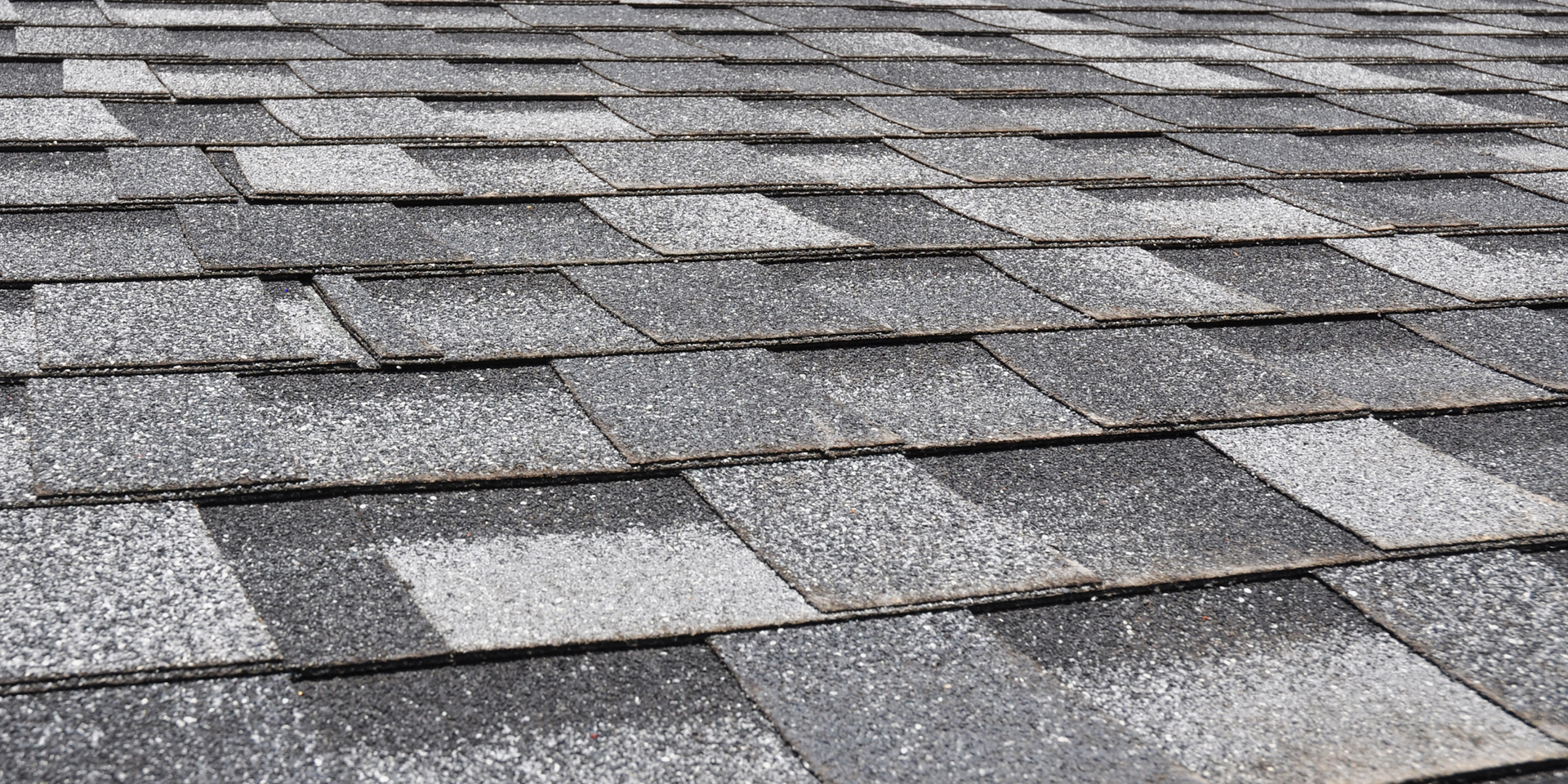
Those dark stains running down your shingles aren't just dirt — they're a living organism called Gloeocapsa magma, a type of algae that thrives in warm, humid climates like Middle Tennessee's.
The algae feeds on the limestone filler inside asphalt shingles. As it spreads, it slowly breaks down the shingle surface, causing granule loss and weakening the protective layer your roof depends on. Left untreated, algae growth often invites moss and lichen, which trap moisture against the roof and accelerate deterioration even further.
In short: those streaks aren't just a cosmetic problem. They're a sign your roof is being eaten away.
Why Tennessee Roofs Are Especially Vulnerable
Spring Hill's climate creates ideal conditions for roof algae and moss:
- Hot, humid summers allow algae to grow and spread rapidly across shaded roof sections.
- Frequent spring storms deposit organic debris that feeds moss and mildew.
- Mature tree coverage in many Williamson and Maury County neighborhoods keeps roofs shaded and damp longer after rain.
Homes in Spring Hill, Thompson's Station, Franklin, and Columbia often show visible algae streaking within just a few years of a new roof installation — especially on north-facing slopes that receive less direct sunlight.
How Roof Cleaning Extends Shingle Life
1. It Stops Algae From Breaking Down Your Shingles
Professional roof cleaning kills algae at the source, halting the granule loss that shortens shingle lifespan. Removing the growth early prevents years of gradual damage.
2. It Prevents Moss and Lichen From Taking Hold
Moss roots lift shingle edges and hold moisture against the roof deck, which can lead to leaks, wood rot, and premature failure. Regular cleaning keeps these organisms from ever establishing.
3. It Helps Your Roof Shed Heat Properly
Dark algae staining absorbs more heat, raising attic temperatures and stressing shingles during Tennessee summers. A clean roof reflects sunlight the way it was designed to, which can also help with cooling costs.
4. It Protects Your Warranty and Insurance Standing
Many shingle manufacturers consider algae and moss damage a maintenance issue, not a defect. Some insurance providers have also begun flagging visibly stained or moss-covered roofs during inspections. Routine cleaning keeps your roof in documented good condition.
5. It Delays an Expensive Replacement
A new roof in Middle Tennessee can cost $10,000 or more. Routine professional cleaning costs a small fraction of that and can add years of usable life to your existing shingles — one of the best returns on investment in home maintenance.
Why You Should Never Pressure Wash a Roof
Here's the most important thing to understand: asphalt shingles should never be cleaned with high-pressure water.
Pressure washing strips away the protective granules that shield shingles from UV rays, voids most manufacturer warranties, and can force water underneath the shingles. The damage caused by pressure washing a roof often costs more than the algae ever would have.
Instead, professionals use soft washing — a low-pressure application of specialized cleaning solutions that kill algae, moss, and mildew at the root without harming the shingles. The results last significantly longer too, because soft washing treats the growth rather than just rinsing the surface.
At Proven Pressure Washing, we use safe, manufacturer-approved soft washing methods on every roof we clean.
How Often Should You Have Your Roof Cleaned?
For most Spring Hill homes, professional roof cleaning every 2 to 3 years keeps algae and moss from establishing. Homes with heavy tree coverage, shaded lots, or north-facing roof sections may benefit from more frequent cleaning.
Signs it's time to schedule a cleaning:
- Black or dark green streaks on your shingles
- Visible moss, especially along shingle edges or in shaded areas
- A dull, dirty appearance compared to neighboring roofs
- It's been more than 3 years since your last roof cleaning
Latest Posts