Why Driveway Oil Stains Won't Budge (5 Quick Fixes)
Oil stains are difficult to remove because concrete is porous, allowing oil to soak deep into the surface. Once the oil penetrates the substrate, standard washing only cleans the top layer. Successful driveway oil stain removal requires specialized degreasers and professional-grade hot water pressure washing to lift the deep-seated residue.
Why is concrete so hard to clean?
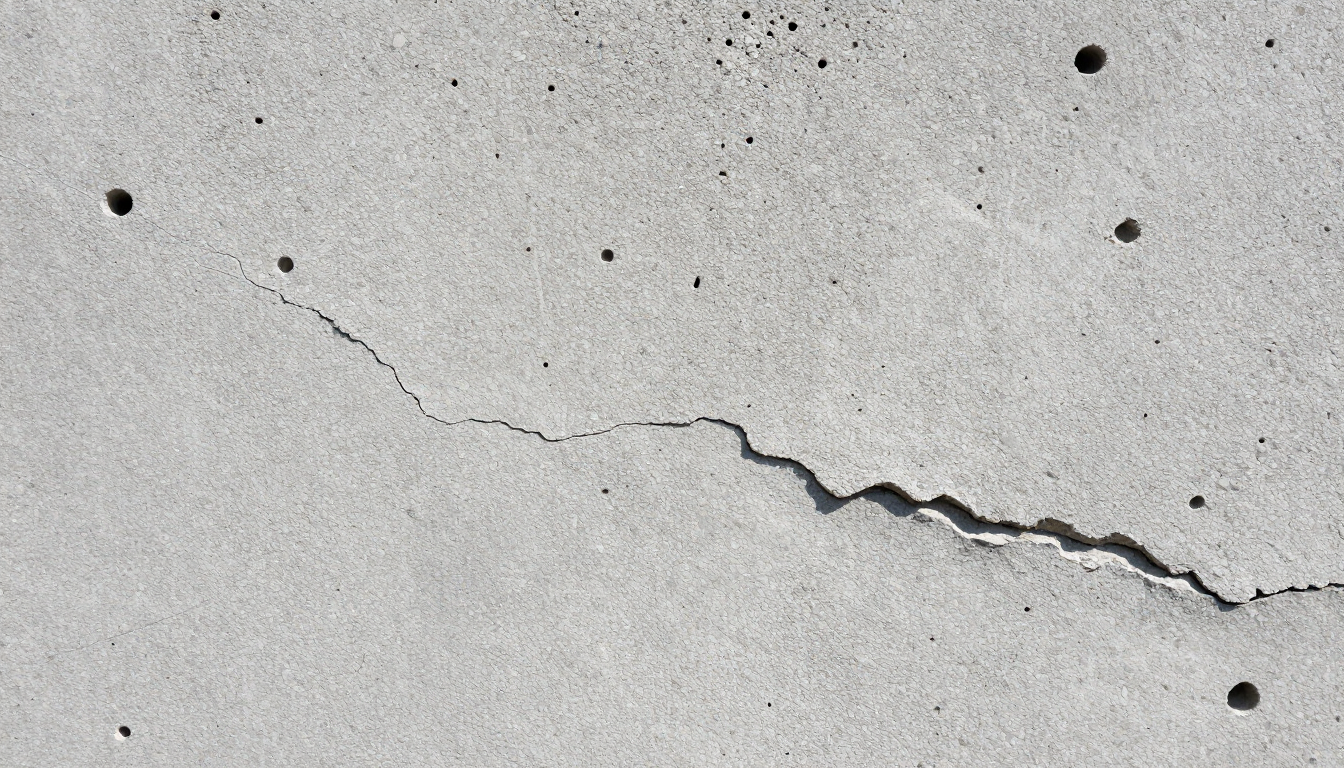
To understand why a simple splash of oil becomes a permanent fixture on your property, you first have to understand the nature of the material itself. While concrete looks solid and impenetrable, it is actually more like a very hard, heavy sponge. It is filled with thousands of microscopic pores and capillaries that were formed when water evaporated during the curing process. When you spill motor oil, transmission fluid, or even grease from a backyard barbecue, gravity pulls those liquids down into these tiny tunnels.
This "sponge effect" is the primary reason why driveway pressure washing is so much more complex than just spraying water. A garden hose might move the surface dust, but it cannot reach the oil trapped a quarter-inch deep inside the slab. The longer the oil sits, the deeper it travels, eventually bonding with the concrete at a molecular level. This is particularly true in Spring Hill, where our humid climate can keep the concrete damp, facilitating the movement of oils deeper into the porous structure.
The Science of Oil and Porous Surfaces
Oil is a hydrocarbon, which means it is naturally hydrophobic—it repels water. When you try to clean an oil stain with a standard pressure washer and cold water, the water simply glides over the top of the oil. Because the two substances don't mix, the water lacks the chemical ability to grab onto the oil molecules and pull them out of the concrete pores.
Furthermore, oil has a very low surface tension compared to water. This allows it to spread out and seep into the smallest nicks and crannies of your driveway. Once it’s in there, it acts as a magnet for dirt and dust. This is why a fresh oil leak often looks like a dark, wet spot, but over time, it turns into a thick, black, grimy patch. The oil is essentially "holding" onto environmental pollutants, creating a composite stain that is much harder to break down than the oil alone.
How can you tell if an oil stain is permanent?
Not all stains are created equal. Determining whether you can restore your driveway depends on several factors that influence the success of aggregate driveway cleaning . You should evaluate the following criteria:
- The Age of the Stain: Fresh spills (under 24 hours) are much easier to lift because they haven't reached the bottom of the pores yet.
- The Type of Fluid: Synthetic motor oils and brake fluids are often more chemically complex and can be more stubborn than traditional petroleum-based oils.
- The Depth of Penetration: If the oil has been sitting for months, it may have fully saturated the concrete slab.
- Previous Cleaning Attempts: Sometimes, using the wrong chemicals can actually "set" the stain or damage the concrete finish.
- Concrete Condition: Older, more degraded concrete has larger pores, allowing for deeper oil penetration.
If the stain has turned into a hard, tar-like substance, it may have undergone a chemical change due to UV exposure, making professional intervention necessary.
Common DIY Mistakes to Avoid
When homeowners see a dark spot on their pristine driveway, the first instinct is often to grab whatever is under the kitchen sink. While well-intentioned, some DIY methods can actually make the problem worse or lead to permanent discoloration of the concrete. At Proven Pressure Washing, we often see the results of these common errors:
- Using Harsh Acidic Cleaners: Muriatic acid can eat away at the concrete paste, leaving the surface etched and rough.
- Over-Scrubbing with Wire Brushes: This can leave permanent scratch marks or "halo" effects around the stain.
- Using Cold Water Only: Cold water actually thickens many types of oil, making them harder to move.
- Improper Use of Kitty Litter: While good for absorbing standing liquid, it does nothing for the oil already inside the pores.
- Excessive Pressure: Using a high-PSI consumer washer too close to the surface can strip the cream coat off the concrete.
What tools do professionals use for driveway oil stain removal?
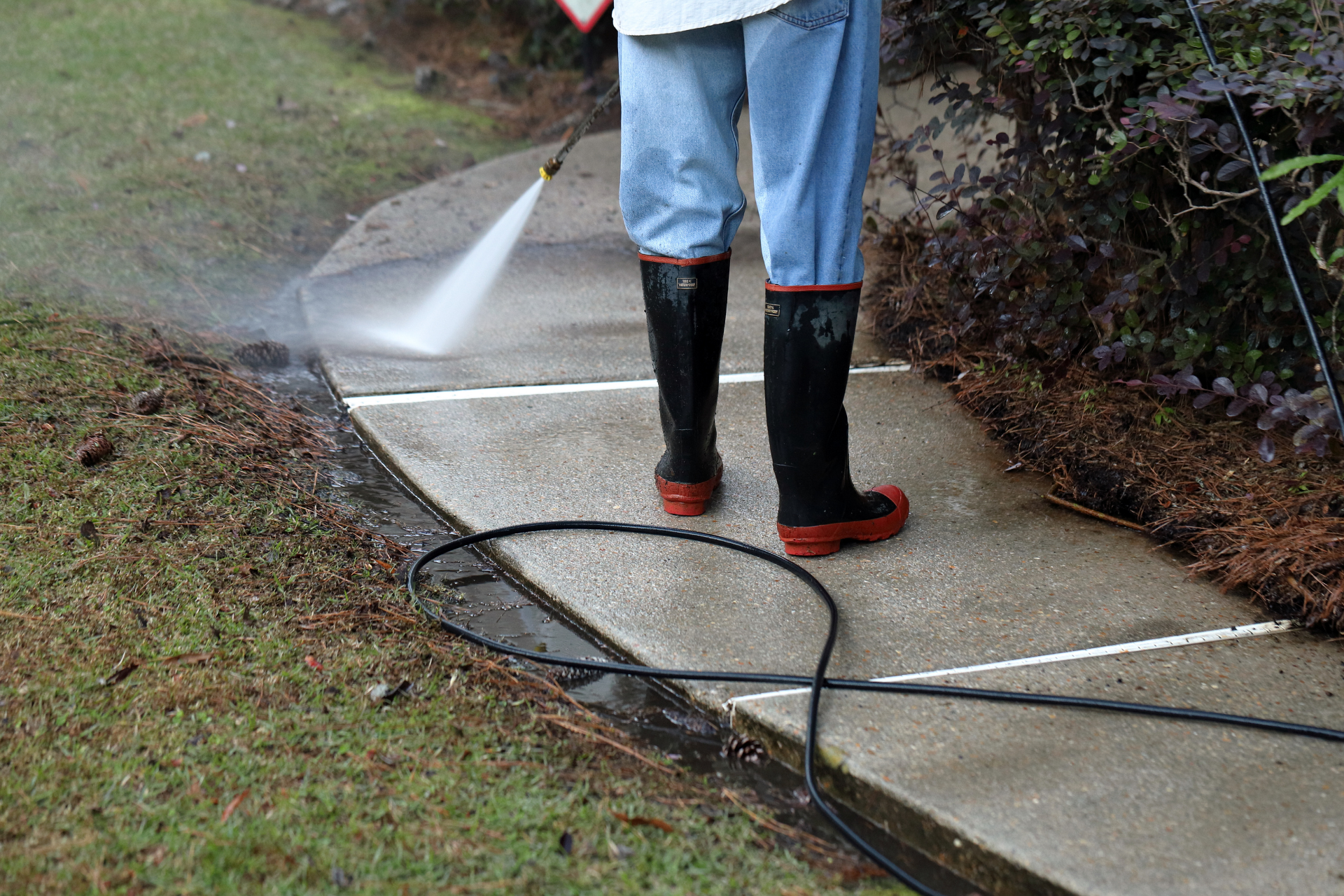
Professional driveway oil stain removal isn't just about higher pressure; it’s about the combination of heat, chemistry, and specialized equipment. Here is how the experts handle it:
- Industrial Degreasers: We use pH-balanced, biodegradable surfactants that break the surface tension of the oil.
- Hot Water Units: Heat is the secret weapon. Hot water thins the oil (lowering its viscosity), allowing it to be lifted out of the pores more easily.
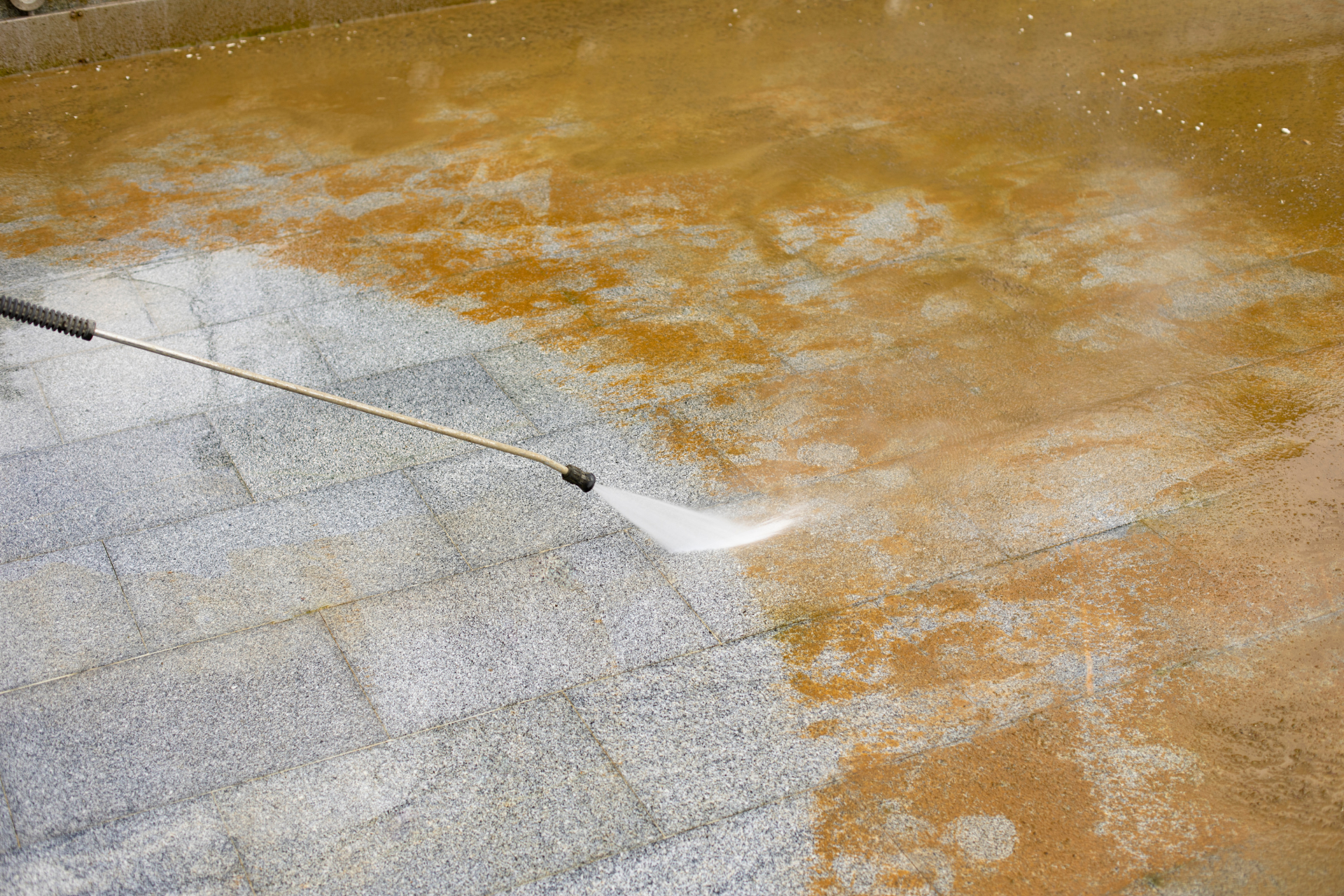
- Surface Cleaners: These circular tools provide consistent pressure and containment, ensuring the lifted oil doesn't just settle elsewhere.
- Water Recovery Systems: For large commercial spills, professionals ensure the oily runoff is managed responsibly.
Can regular maintenance prevent future staining?
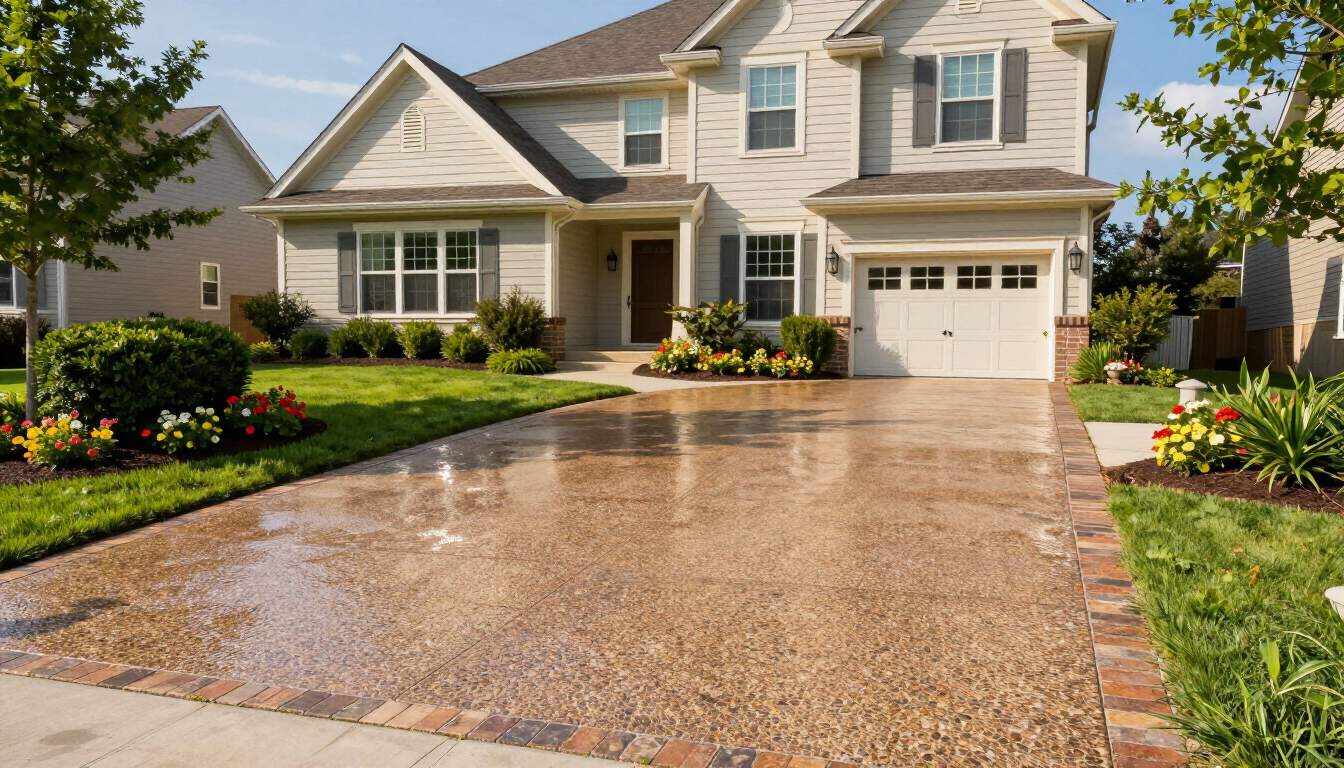
The best way to deal with an oil stain is to prevent it from ever reaching the pores of your concrete. This is where aggregate driveway sealing becomes essential. A high-quality sealer acts as a transparent barrier, filling those microscopic holes we talked about earlier. When an oil leak occurs on a sealed driveway, the oil sits on top of the sealer rather than soaking into the concrete. This gives you a much wider window of time to wipe it up before it causes permanent damage.
Proven Pressure Washing Solutions
In Middle Tennessee, our driveways face a lot of stress—from the summer heat that bakes oil into the surface to the winter rains that push dirt deeper into the cracks. At Proven Pressure Washing, we don’t just "splash and dash." We evaluate the specific type of concrete you have and the nature of the stain to apply the most effective treatment possible. Whether you have a standard concrete pad or a beautiful aggregate driveway, we have the specialized knowledge to restore its appearance.
We understand that your home is your biggest investment. A stained, grimy driveway doesn't just look bad; it can actually reduce your home's curb appeal and resale value. By utilizing professional-grade equipment and eco-friendly cleaning solutions, we provide a level of clean that DIY methods simply can't match. Our motto is "Let us prove that Proven is your one-stop pressure washing company," and that starts with tackling the toughest stains on your property.
Summary of Driveway Oil Stain Removal
Driveway oil stains are frustrating because of the porous nature of concrete, which allows oils to bond deeply within the surface. While DIY methods often fail to reach these deep-seated contaminants, professional cleaning utilizes heat and specialized chemistry to restore the concrete. To maintain your driveway's appearance and protect your investment, consider these key takeaways:
- Act Fast: Clean fresh spills immediately to prevent deep penetration.
- Heat is Key: Professional hot water washing is significantly more effective than cold water DIY methods.
- Protect the Surface: Regular sealing is the best defense against permanent oil damage.
- Avoid Harsh Acids: Protect your concrete’s structural integrity by avoiding DIY acid washes.
- Call the Pros: For stubborn or old stains, professional equipment is usually required to see real results.
If you're ready to get rid of those unsightly spots and brighten your home's exterior, Request Service from Proven Pressure Washing today. We serve Spring Hill, Williamson County, and Maury County with dedicated, family-owned care.